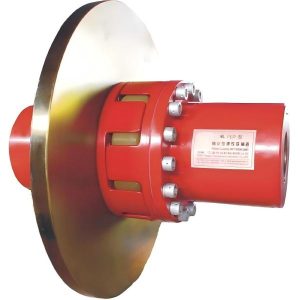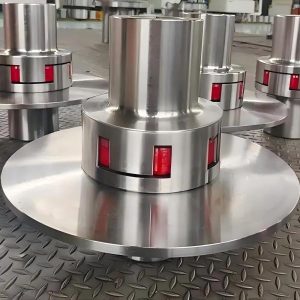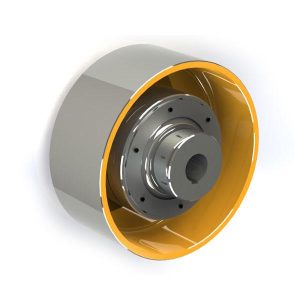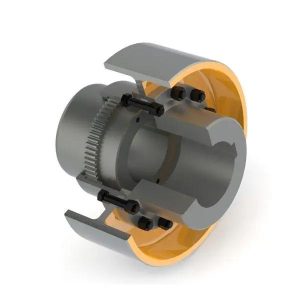

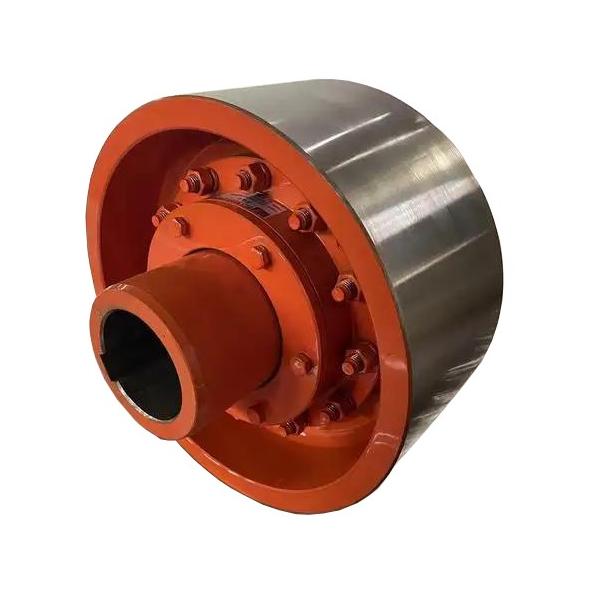
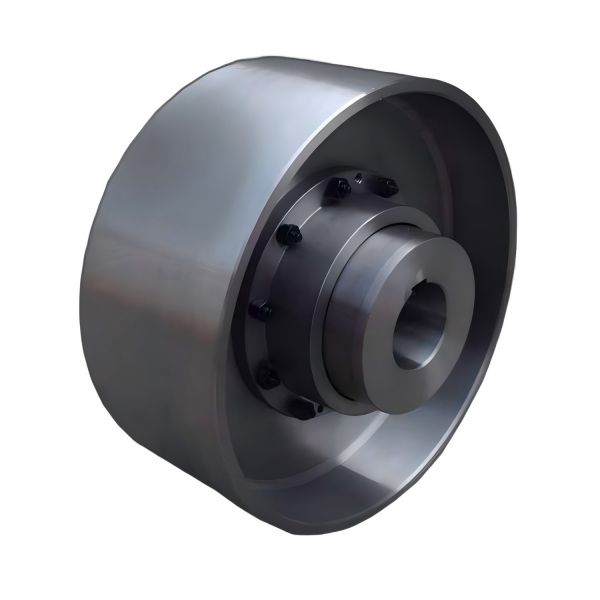
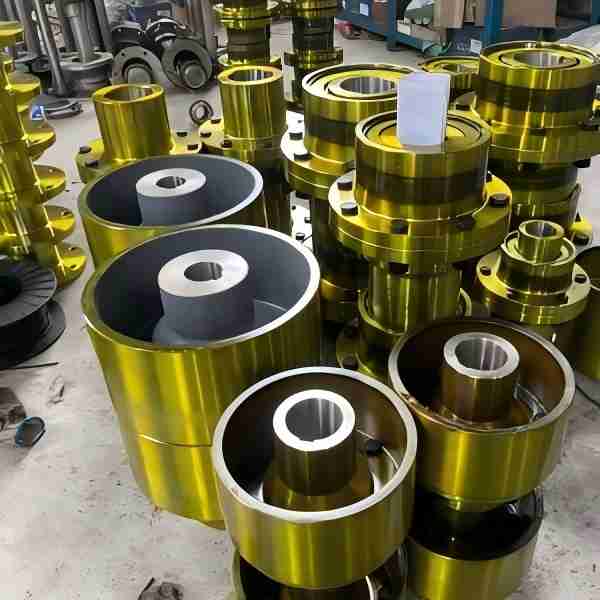
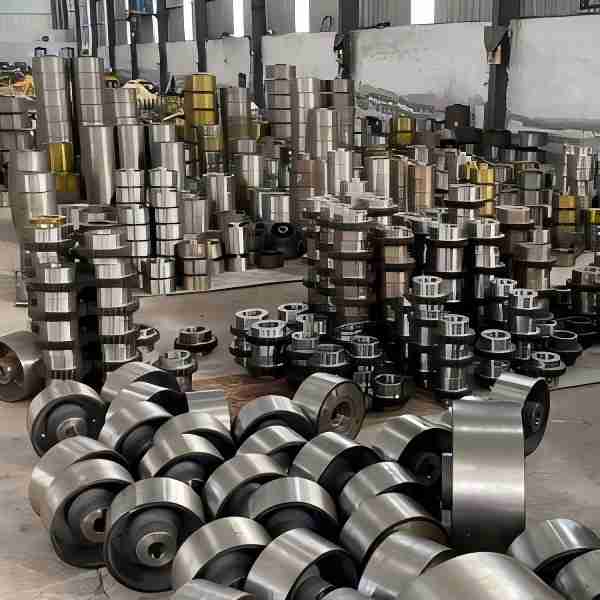
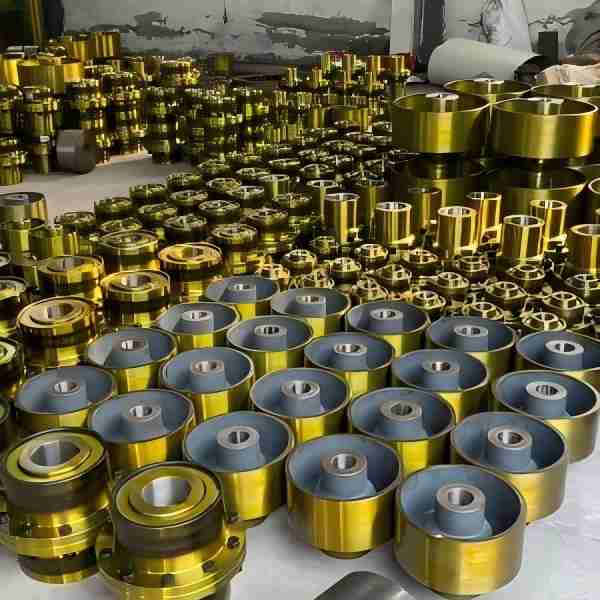
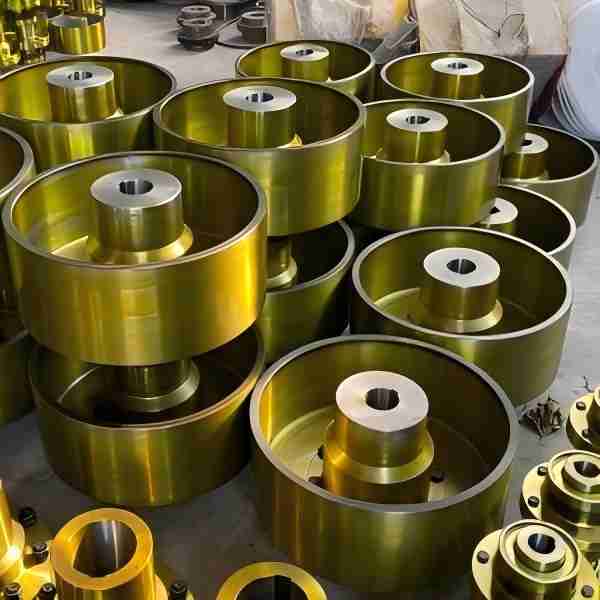
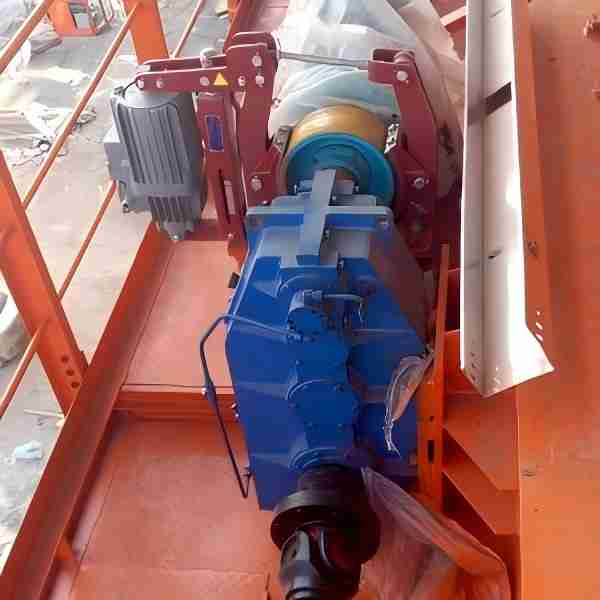
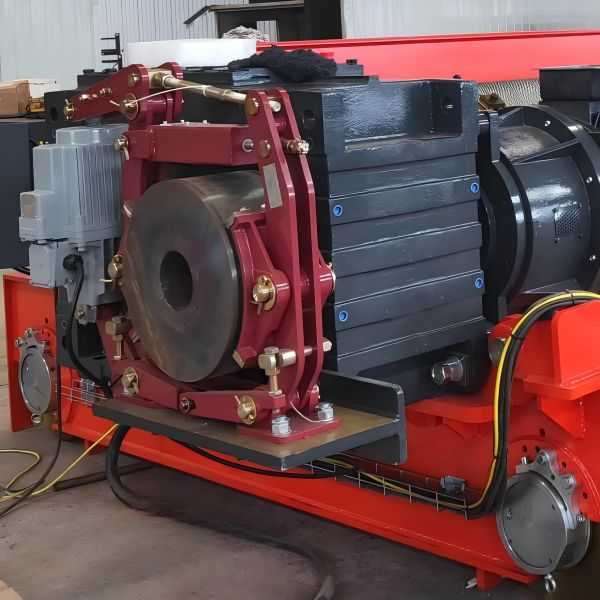

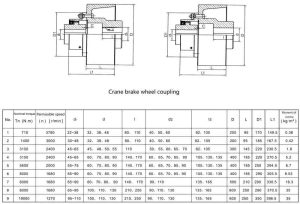
Crane brake wheel coupling
Crane Brake Wheel Coupling Parameters:
- Maximum Allowable Torque: 630 Nm to 125,000 Nm
- Maximum Speed: 4000 rpm to 950 rpm
- Brake Wheel Diameter: ∅160, ∅200, ∅250, ∅300, ∅315, ∅400, ∅500, ∅600, ∅630, ∅700, ∅800
- Coupling Material: ZG430-640, 45 steel
- Coupling Type: Brake wheel with half-tooth coupling
- Custom Options: You can provide your own drawings, and we will manufacture according to the specified dimensions.
Crane Brake Wheel Coupling for Safe and Efficient Operation
The crane brake wheel coupling is a key component used to connect the driving and driven shafts in crane systems. It enables synchronized rotation for efficient torque transmission while also supporting braking functions.
In addition to transmitting power, this coupling plays an important role in protecting equipment from overload, ensuring safe and stable lifting operations.
Key Features of Brake Wheel Couplings
Reliable Torque Transmission
Brake wheel couplings are designed to handle high torque loads generated during lifting operations, ensuring smooth and efficient power transfer.
Overload Protection Function
These couplings provide a level of overload protection, helping to prevent damage to connected components when excessive loads occur.
Durable and Stable Structure
With a robust design, brake wheel couplings offer:
- High mechanical strength
- Stable performance under heavy loads
- Long service life in demanding conditions
Wear and Corrosion Resistance
To adapt to harsh working environments, the coupling is designed with:
- Excellent wear resistance
- Corrosion resistance for industrial environments
This makes it suitable for cranes operating in steel plants, ports, and outdoor conditions.
Applications of Crane Brake Wheel Couplings
Brake wheel couplings are widely used in:
- Overhead crane drive systems
- Hoisting mechanisms
- Metallurgy and steel industry
- Mining and heavy machinery
- Port and material handling equipment
How to Choose the Right Brake Wheel Coupling
When selecting a crane brake wheel coupling, consider the following factors:
- Load capacity and working conditions
- Shaft alignment accuracy
- Operating frequency (start-stop conditions)
- Working environment (temperature, dust, chemicals)
For example:
- Rigid couplings are suitable for stable loads and precise alignment
- Flexible couplings are better for frequent start-stop operations and shock loads
Design Considerations for Reliable Performance
To ensure performance and reliability, brake wheel couplings are designed with:
- High torque capacity for heavy-duty applications
- Optimized structure for stable operation
- Materials suitable for extreme environments
These factors contribute to improved safety and long-term performance.
Why Choose HL CRANE Brake Wheel Couplings?
HL CRANE offers high-quality brake wheel couplings with:
- Proven reliability in crane systems
- Durable materials and precise manufacturing
- Stable performance under heavy loads
- Custom solutions for different applications
FAQ
What is a crane brake wheel coupling?
It is a mechanical component that connects shafts and transmits torque while supporting braking functions in crane systems.
Why is a brake wheel coupling important?
It ensures safe operation by transmitting power efficiently and providing overload protection.
Can brake wheel couplings handle heavy loads?
Yes, they are designed for high torque and heavy-duty crane applications.
How to select the right coupling?
Selection depends on load conditions, shaft alignment, and working environment.
Video
Faq
Q1: What is a crane brake wheel coupling?
A: A crane brake wheel coupling connects the brake wheel to the crane’s drive shaft, ensuring smooth transmission of torque while enabling reliable braking performance.
Q2: What are the main functions of a brake wheel coupling?
A: It transmits rotational force, maintains alignment between the brake wheel and shaft, absorbs shock loads, and ensures the crane’s braking system operates safely and efficiently.
Q3: What materials are used for crane brake wheel couplings?
A: Typically, high-strength alloy steel or forged steel is used for durability, wear resistance, and the ability to withstand heavy loads in industrial crane applications.
Q4: How do I know which brake wheel coupling fits my crane?
A: Selection depends on shaft diameter, torque requirements, and brake wheel type. Our team at www.hnhlcrane.com can help you choose the correct coupling for your crane model.
Q5: How often should crane brake wheel couplings be inspected?
A: Regular inspection is recommended, especially in heavy-duty operations. Check for wear, misalignment, cracks, and proper lubrication to prevent unexpected failures.
Q6: Can crane brake wheel couplings be customized?
A: Yes, custom couplings are available for different sizes, torque ratings, and environmental conditions. OEM replacements and special designs can be provided on request via www.hnhlcrane.com.