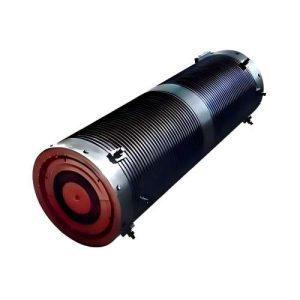

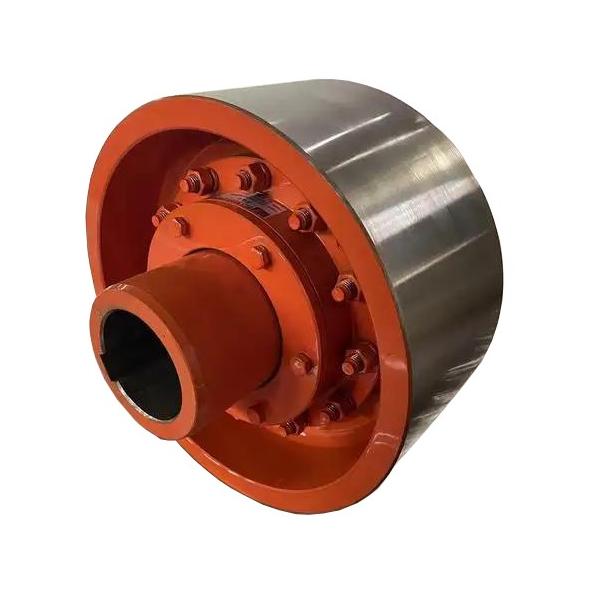
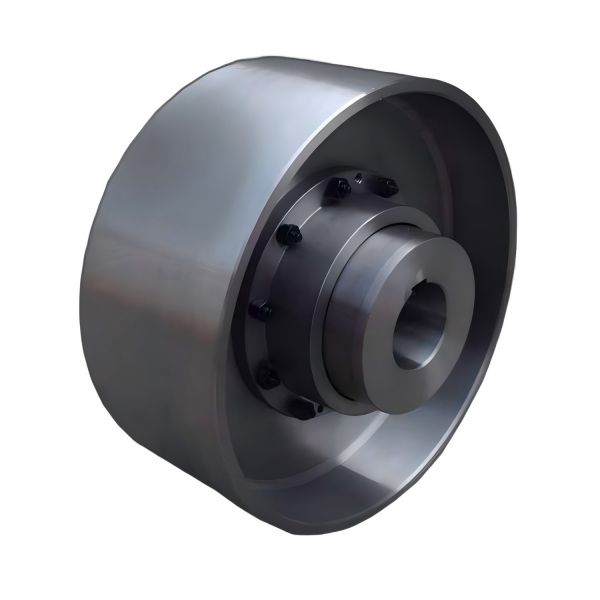
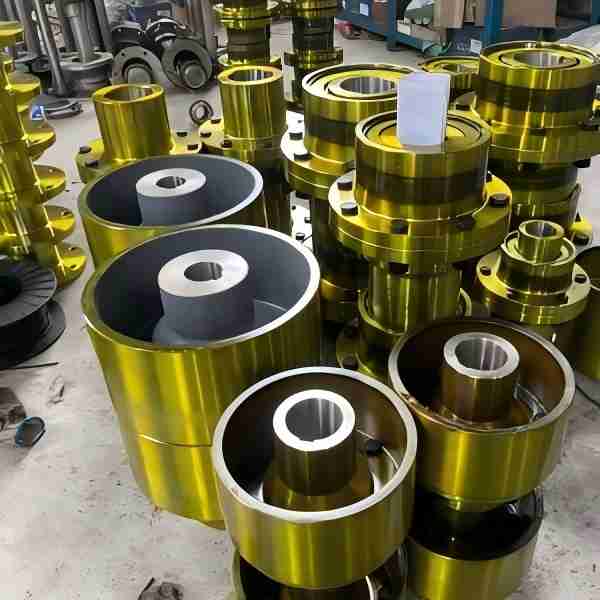
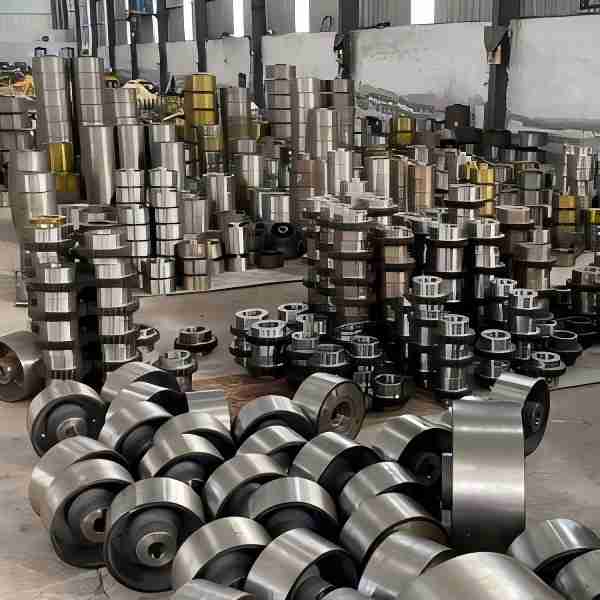
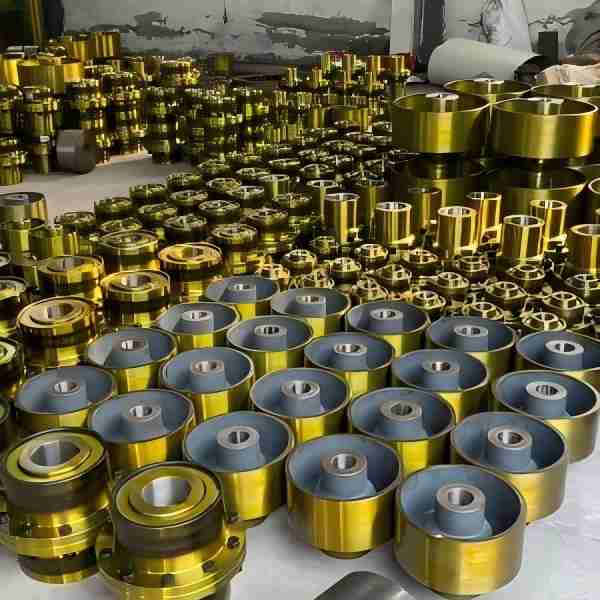
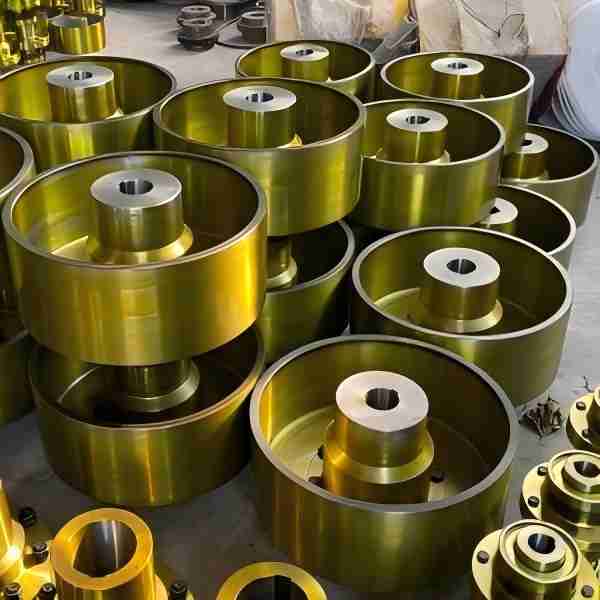
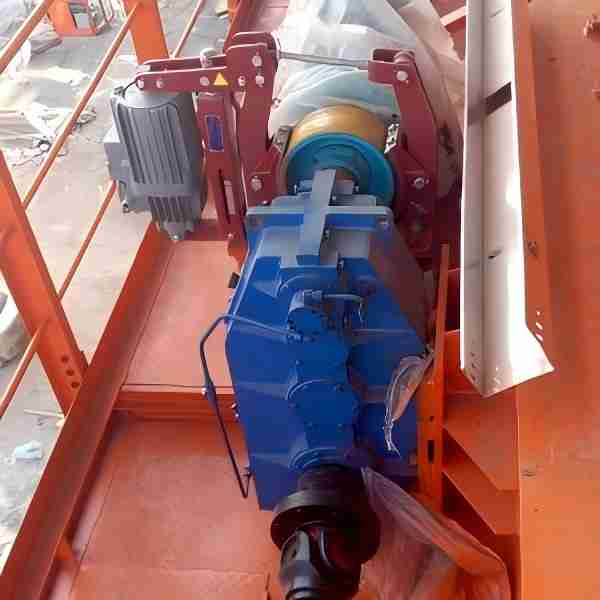
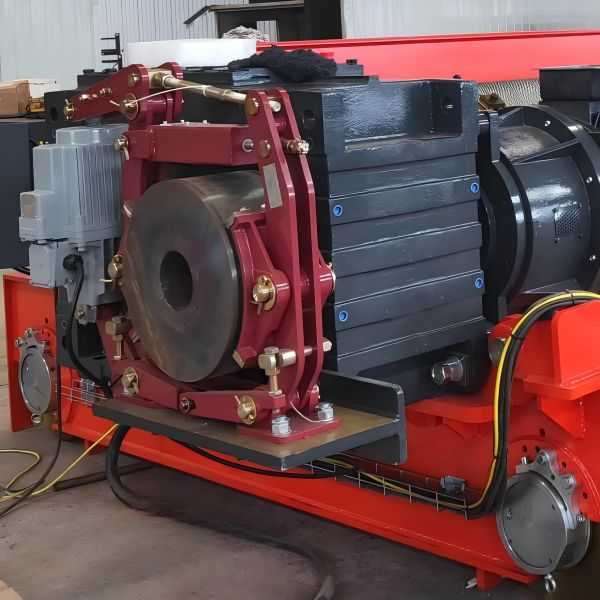
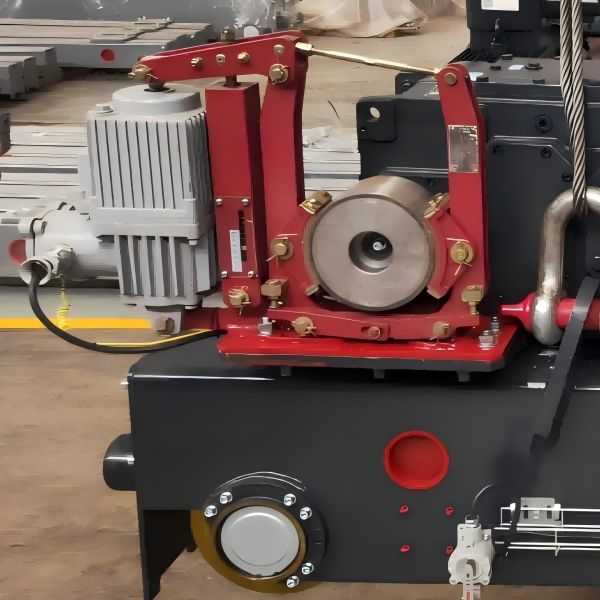

Sprzęgło koła hamulcowego dźwigu
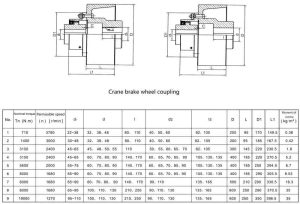
Parametry sprzęgła koła hamulcowego dźwigu:
- Maksymalny dopuszczalny moment obrotowy: 630 Nm do 125 000 Nm
- Prędkość maksymalna: 4000 obr/min do 950 obr/min
- Średnica koła hamulca: ∅160, ∅200, ∅250, ∅300, ∅315, ∅400, ∅500, ∅600, ∅630, ∅700, ∅800
- Materiał złącza: ZG430-640, stal 45
- Typ złącza: Koło hamulcowe ze sprzęgłem półzębatym
- Opcje niestandardowe: Możesz dostarczyć własne rysunki, a my wyprodukujemy je zgodnie z określonymi wymiarami.
Sprzęgło hamulca koła dźwigu dla bezpiecznej i wydajnej pracy
The sprzęgło koła hamulca dźwigu jest kluczowym elementem używanym do łączenia wałów napędowych i napędzanych w systemach dźwigowych. Umożliwia zsynchronizowany obrót w celu wydajnego przenoszenia momentu obrotowego, jednocześnie obsługując funkcje hamowania.
Oprócz przenoszenia mocy, sprzęgło to odgrywa ważną rolę w ochronie sprzętu przed przeciążeniem, zapewniając bezpieczne i stabilne operacje podnoszenia.
Kluczowe cechy sprzęgieł hamulcowych
Niezawodne przenoszenie momentu obrotowego
Sprzęgła hamulcowe są zaprojektowane do przenoszenia wysokich momentów obrotowych generowanych podczas operacji podnoszenia, zapewniając płynne i wydajne przenoszenie mocy.
Funkcja ochrony przed przeciążeniem
Złącza te zapewniają poziom ochrony przed przeciążeniem, pomagając zapobiegać uszkodzeniom podłączonych komponentów w przypadku wystąpienia nadmiernych obciążeń.
Trwała i stabilna konstrukcja
Dzięki solidnej konstrukcji, sprzęgła hamulcowe oferują:
- Wysoka wytrzymałość mechaniczna
- Stabilna wydajność przy dużych obciążeniach
- Długa żywotność w wymagających warunkach
Odporność na zużycie i korozję
Aby dostosować się do trudnych warunków pracy, sprzęgło zostało zaprojektowane w taki sposób, aby:
- Doskonała odporność na zużycie
- Odporność na korozję w środowiskach przemysłowych
Dzięki temu nadaje się do dźwigów pracujących w stalowniach, portach i warunkach zewnętrznych.
Zastosowania sprzęgieł kół hamulcowych dźwigu
Sprzęgła kół hamulcowych są szeroko stosowane w:
- Układy napędowe suwnic
- Mechanizmy podnoszące
- Metalurgia i przemysł stalowy
- Górnictwo i maszyny ciężkie
- Sprzęt portowy i do przeładunku materiałów
Jak wybrać odpowiednie sprzęgło koła hamulcowego?
Wybierając sprzęgło koła hamulcowego żurawia, należy wziąć pod uwagę następujące czynniki:
- Udźwig i warunki pracy
- Dokładność osiowania wału
- Częstotliwość pracy (warunki start-stop)
- Środowisko pracy (temperatura, pył, chemikalia)
Na przykład:
- Sztywne sprzęgła nadają się do stabilnych obciążeń i precyzyjnego ustawiania.
- Sprzęgła elastyczne są lepsze w przypadku częstych operacji start-stop i obciążeń udarowych.
Uwagi projektowe dotyczące niezawodnego działania
Aby zapewnić wydajność i niezawodność, sprzęgła kół hamulcowych są projektowane z uwzględnieniem:
- Wysoki moment obrotowy do ciężkich zastosowań
- Zoptymalizowana struktura zapewniająca stabilną pracę
- Materiały odpowiednie do pracy w ekstremalnych warunkach
Czynniki te przyczyniają się do poprawy bezpieczeństwa i długoterminowej wydajności.
Dlaczego warto wybrać sprzęgła hamulcowe HL CRANE?
HL CRANE oferuje wysokiej jakości sprzęgła do kół z hamulcem:
- Sprawdzona niezawodność w systemach dźwigowych
- Wytrzymałe materiały i precyzyjne wykonanie
- Stabilna wydajność przy dużych obciążeniach
- Niestandardowe rozwiązania dla różnych zastosowań
FAQ
Co to jest sprzęgło koła hamulca dźwigu?
Jest to element mechaniczny, który łączy wały i przenosi moment obrotowy, jednocześnie wspierając funkcje hamowania w systemach dźwigowych.
Dlaczego sprzęgło koła hamulcowego jest ważne?
Zapewnia bezpieczną pracę poprzez wydajne przesyłanie mocy i ochronę przed przeciążeniem.
Czy sprzęgła hamulcowe mogą wytrzymać duże obciążenia?
Tak, są przeznaczone do Wysoki moment obrotowy i ciężkie aplikacje dźwigowe.
Jak wybrać odpowiednie złącze?
Wybór zależy od warunków obciążenia, ustawienia wału i środowiska pracy.
Wideo
Faq
P1: Co to jest sprzęgło koła hamulcowego dźwigu?
Sprzęgło koła hamulcowego żurawia łączy koło hamulcowe z wałem napędowym żurawia, zapewniając płynne przenoszenie momentu obrotowego i niezawodne hamowanie.
P2: Jakie są główne funkcje sprzęgła hamulcowego?
O: Przenosi siłę obrotową, utrzymuje wyrównanie między kołem hamulcowym a wałem, pochłania obciążenia udarowe i zapewnia bezpieczne i wydajne działanie układu hamulcowego żurawia.
P3: Jakie materiały są stosowane w sprzęgłach kół hamulcowych dźwigów?
O: Zazwyczaj stal stopowa o wysokiej wytrzymałości lub stal kuta jest używana ze względu na trwałość, odporność na zużycie i zdolność do wytrzymywania dużych obciążeń w zastosowaniach dźwigów przemysłowych.
P4: Skąd mam wiedzieć, który sprzęg hamulca pasuje do mojego żurawia?
O: Wybór zależy od średnicy wału, wymaganego momentu obrotowego i typu koła hamulcowego. Nasz zespół w www.hnhlcrane.com może pomóc w wyborze właściwego sprzęgła dla danego modelu żurawia.
P5: Jak często należy sprawdzać sprzęgła kół hamulcowych dźwigu?
O: Zaleca się regularne przeglądy, szczególnie w przypadku pracy w ciężkich warunkach. Należy sprawdzać zużycie, niewspółosiowość, pęknięcia i prawidłowe smarowanie, aby zapobiec nieoczekiwanym awariom.
P6: Czy można dostosować sprzęgła kół hamulcowych dźwigu?
O: Tak, niestandardowe złącza są dostępne dla różnych rozmiarów, momentów obrotowych i warunków środowiskowych. Zamienniki OEM i specjalne projekty mogą być dostarczone na żądanie za pośrednictwem www.hnhlcrane.com.