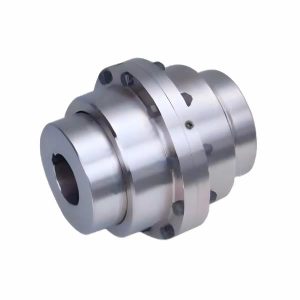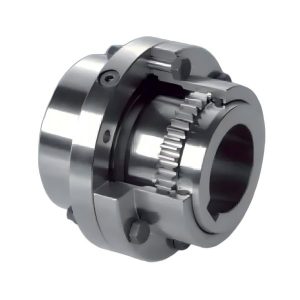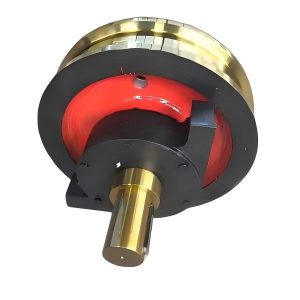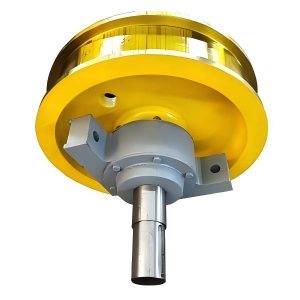

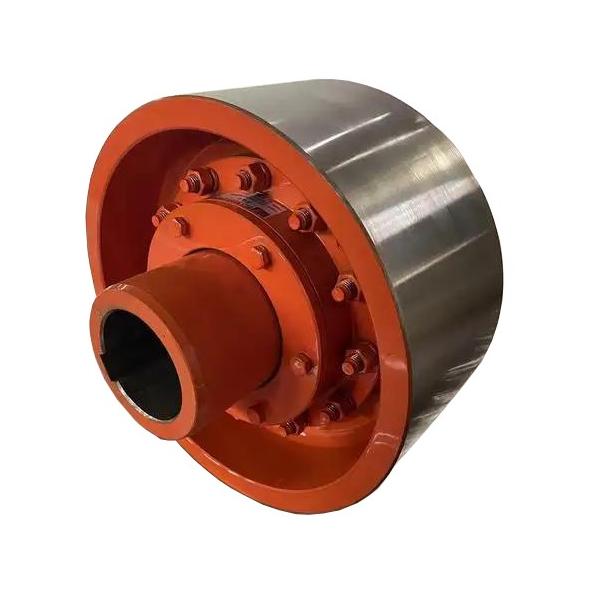
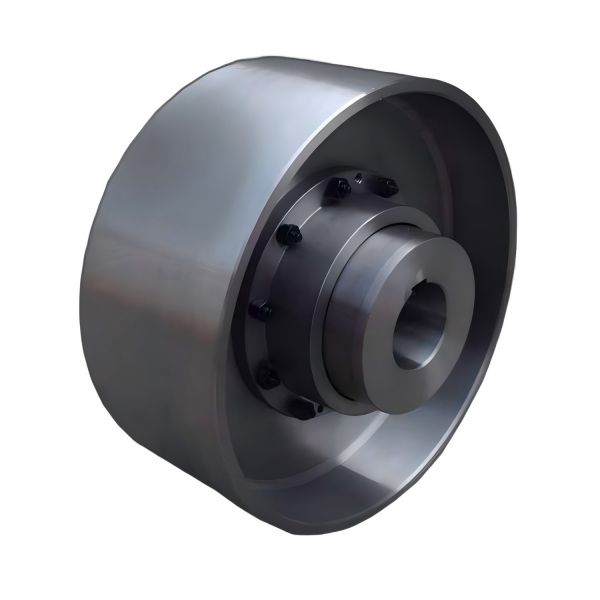
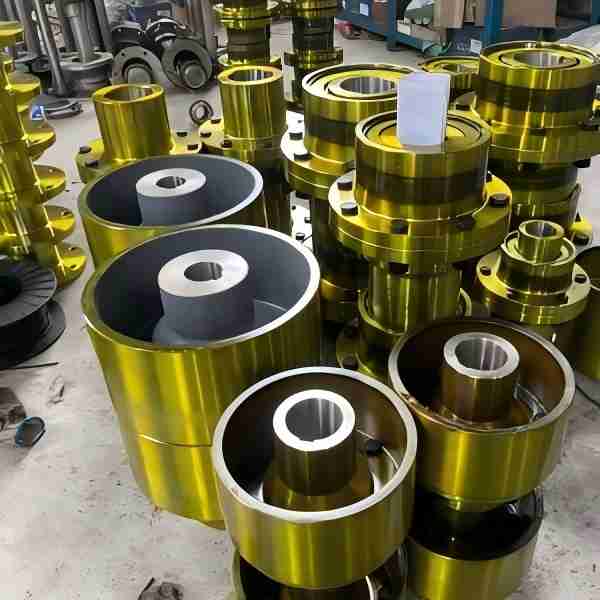
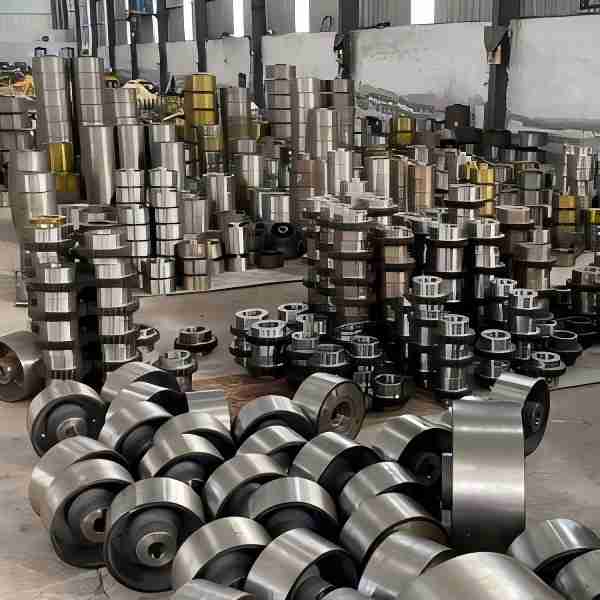
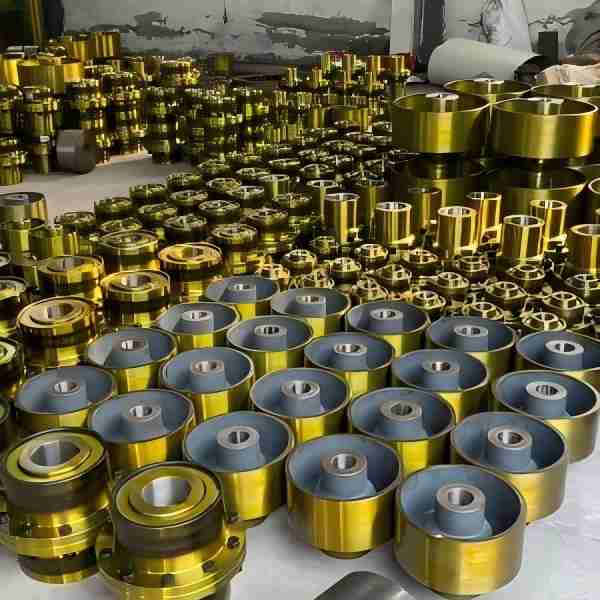
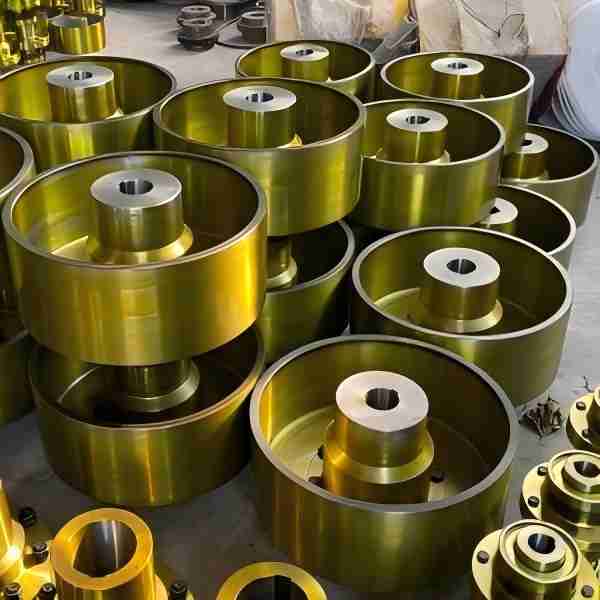
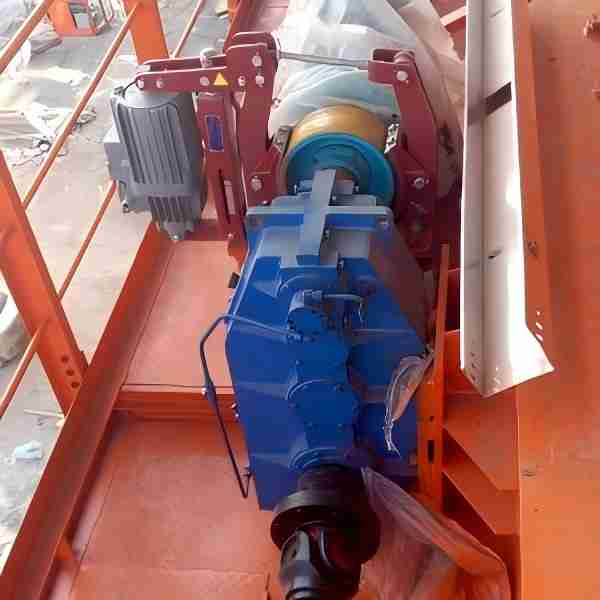
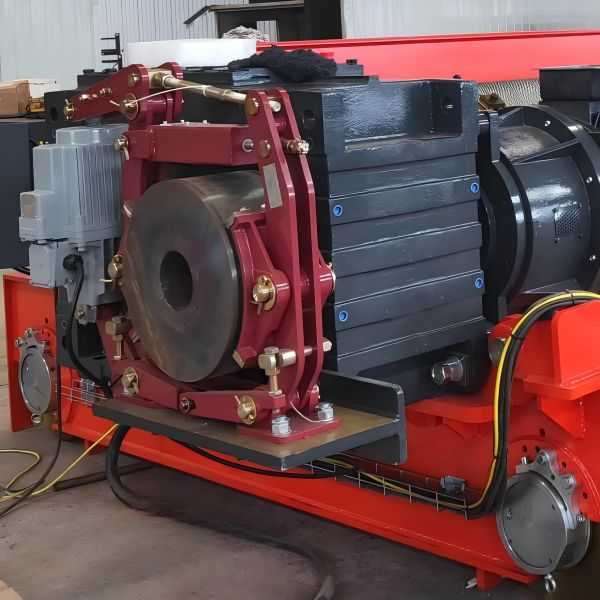
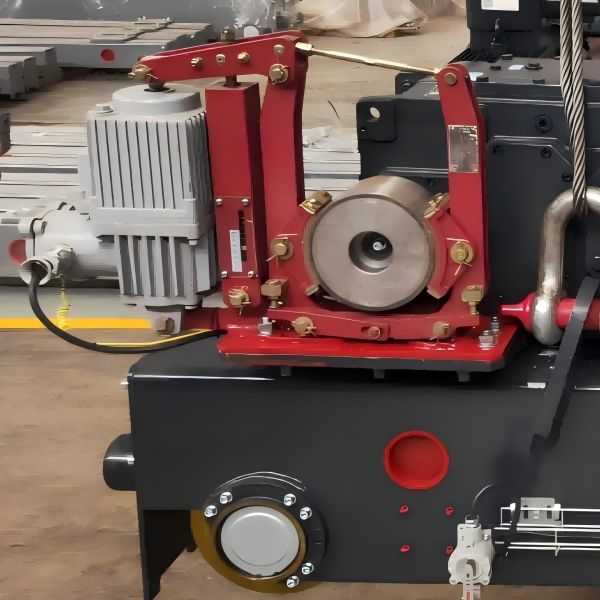

Radkupplung der Kranbremse
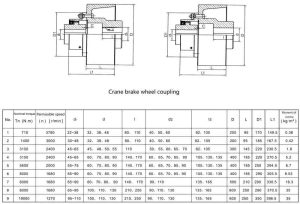
Parameter der Kranbremsradkupplung:
- Maximal zulässiges Drehmoment: 630 Nm bis 125.000 Nm
- Maximale Geschwindigkeit: 4000 U/min bis 950 U/min
- Durchmesser des Bremsrads: ∅160, ∅200, ∅250, ∅300, ∅315, ∅400, ∅500, ∅600, ∅630, ∅700, ∅800
- Material der Kupplung: ZG430-640, 45 Stahl
- Kupplungsart: Bremsrad mit Halbzahnkupplung
- Benutzerdefinierte Optionen: Sie können uns Ihre eigenen Zeichnungen zur Verfügung stellen, und wir fertigen nach den angegebenen Maßen.
Crane Brake Wheel Coupling for Safe and Efficient Operation
Die Kranbremsradkupplung is a key component used to connect the driving and driven shafts in crane systems. It enables synchronized rotation for efficient torque transmission while also supporting braking functions.
In addition to transmitting power, this coupling plays an important role in protecting equipment from overload, ensuring safe and stable lifting operations.
Key Features of Brake Wheel Couplings
Reliable Torque Transmission
Brake wheel couplings are designed to handle high torque loads generated during lifting operations, ensuring smooth and efficient power transfer.
Overload Protection Function
These couplings provide a level of overload protection, helping to prevent damage to connected components when excessive loads occur.
Durable and Stable Structure
With a robust design, brake wheel couplings offer:
- High mechanical strength
- Stable performance under heavy loads
- Long service life in demanding conditions
Wear and Corrosion Resistance
To adapt to harsh working environments, the coupling is designed with:
- Ausgezeichnete Verschleißfestigkeit
- Corrosion resistance for industrial environments
This makes it suitable for cranes operating in steel plants, ports, and outdoor conditions.
Applications of Crane Brake Wheel Couplings
Brake wheel couplings are widely used in:
- Overhead crane drive systems
- Hoisting mechanisms
- Metallurgy and steel industry
- Mining and heavy machinery
- Port and material handling equipment
How to Choose the Right Brake Wheel Coupling
When selecting a crane brake wheel coupling, consider the following factors:
- Load capacity and working conditions
- Shaft alignment accuracy
- Operating frequency (start-stop conditions)
- Working environment (temperature, dust, chemicals)
Zum Beispiel:
- Rigid couplings are suitable for stable loads and precise alignment
- Flexible couplings are better for frequent start-stop operations and shock loads
Design Considerations for Reliable Performance
To ensure performance and reliability, brake wheel couplings are designed with:
- High torque capacity for heavy-duty applications
- Optimized structure for stable operation
- Materials suitable for extreme environments
These factors contribute to improved safety and long-term performance.
Why Choose HL CRANE Brake Wheel Couplings?
HL CRANE offers high-quality brake wheel couplings with:
- Proven reliability in crane systems
- Durable materials and precise manufacturing
- Stable performance under heavy loads
- Custom solutions for different applications
FAQ
What is a crane brake wheel coupling?
It is a mechanical component that connects shafts and transmits torque while supporting braking functions in crane systems.
Why is a brake wheel coupling important?
It ensures safe operation by transmitting power efficiently and providing overload protection.
Can brake wheel couplings handle heavy loads?
Yes, they are designed for high torque and heavy-duty crane applications.
How to select the right coupling?
Selection depends on load conditions, shaft alignment, and working environment.
Video
Faq
F1: Was ist eine Kranbremsradkupplung?
A: Eine Kranbremsradkupplung verbindet das Bremsrad mit der Antriebswelle des Krans und sorgt für eine reibungslose Übertragung des Drehmoments und eine zuverlässige Bremsleistung.
F2: Was sind die Hauptfunktionen einer Bremsradkupplung?
A: Sie überträgt die Rotationskraft, hält die Ausrichtung zwischen Bremsrad und Welle aufrecht, dämpft Stoßbelastungen und sorgt dafür, dass das Bremssystem des Krans sicher und effizient arbeitet.
F3: Welche Materialien werden für Radkupplungen von Kranbremsen verwendet?
A: In der Regel wird hochfester legierter Stahl oder Schmiedestahl verwendet, um die Haltbarkeit, die Verschleißfestigkeit und die Fähigkeit, schweren Lasten in Industriekrananwendungen standzuhalten, zu gewährleisten.
F4: Woher weiß ich, welche Bremsradkupplung zu meinem Kran passt?
A: Die Auswahl hängt vom Wellendurchmesser, den Drehmomentanforderungen und dem Bremsradtyp ab. Unser Team bei www.hnhlcrane.com kann Ihnen bei der Auswahl der richtigen Kupplung für Ihr Kranmodell helfen.
F5: Wie oft sollten die Radkupplungen von Kranbremsen überprüft werden?
A: Eine regelmäßige Inspektion wird empfohlen, insbesondere bei schweren Einsätzen. Prüfen Sie auf Verschleiß, Fehlausrichtung, Risse und ordnungsgemäße Schmierung, um unerwartete Ausfälle zu vermeiden.
F6: Können die Radkupplungen der Kranbremse individuell angepasst werden?
A: Ja, kundenspezifische Kupplungen sind für verschiedene Größen, Drehmomentwerte und Umgebungsbedingungen erhältlich. OEM-Ersatzteile und Sonderausführungen können auf Anfrage bereitgestellt werden über www.hnhlcrane.com.