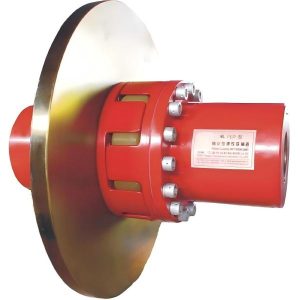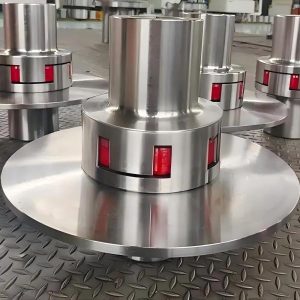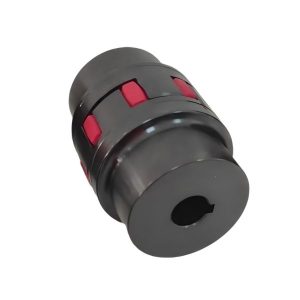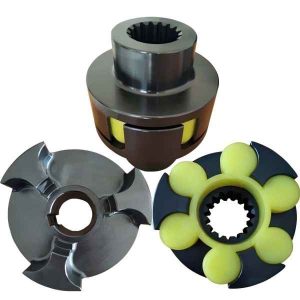

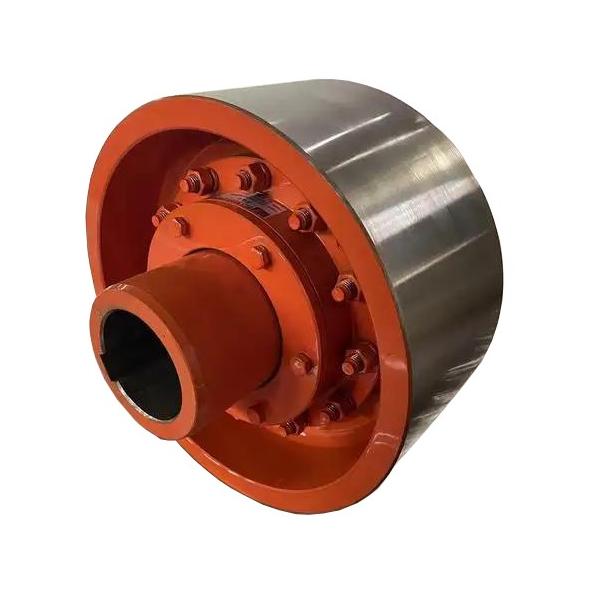
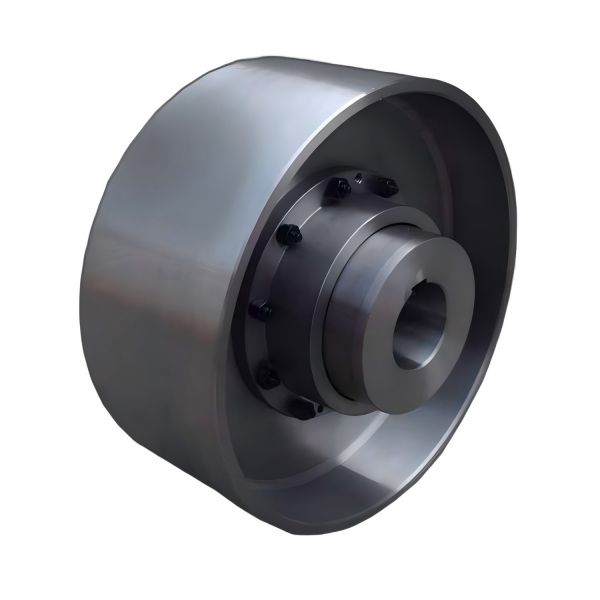
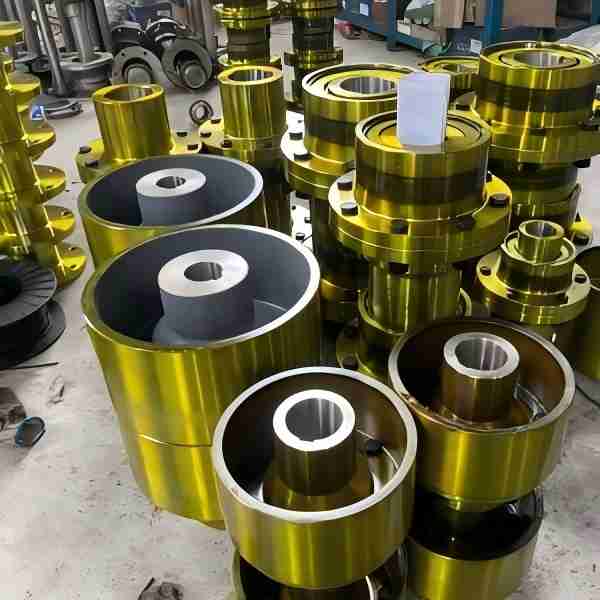
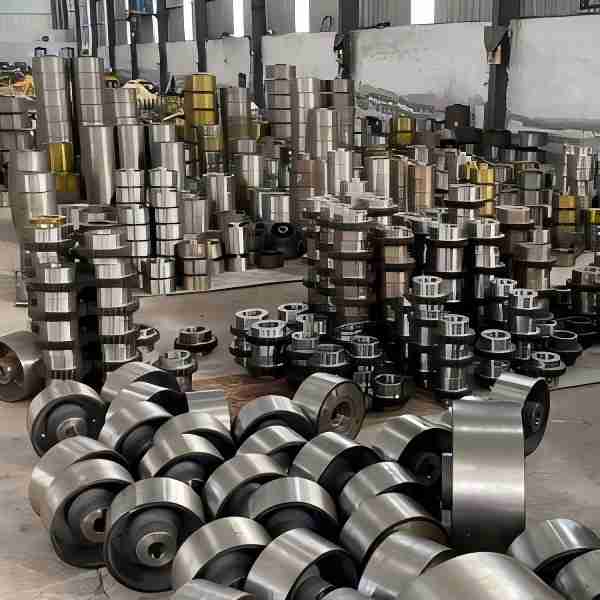
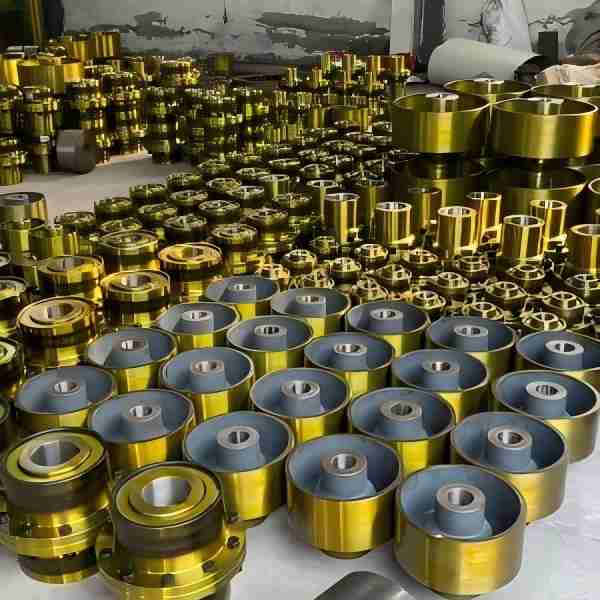
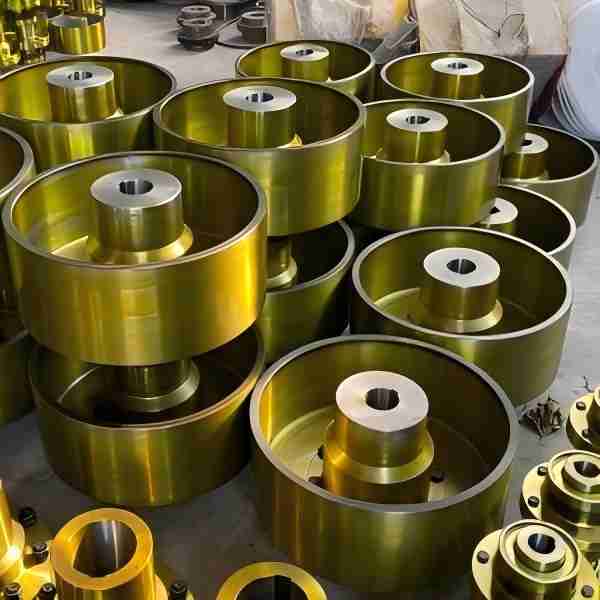
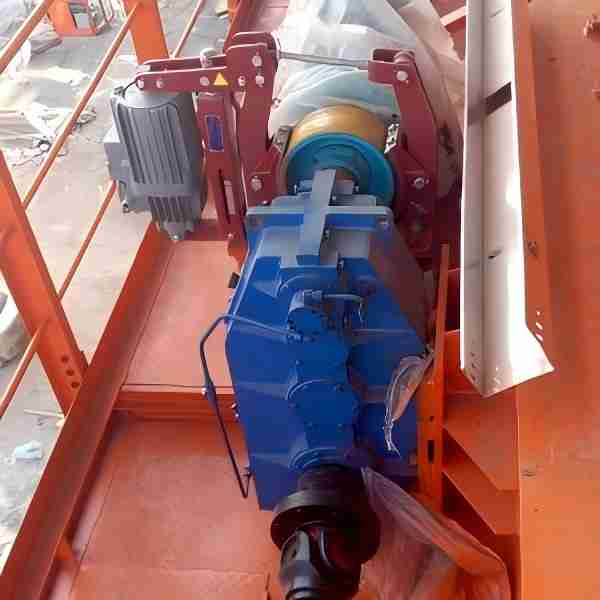
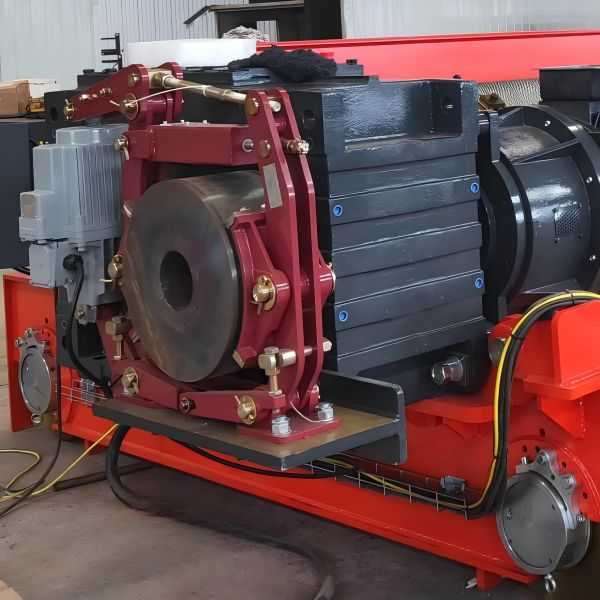
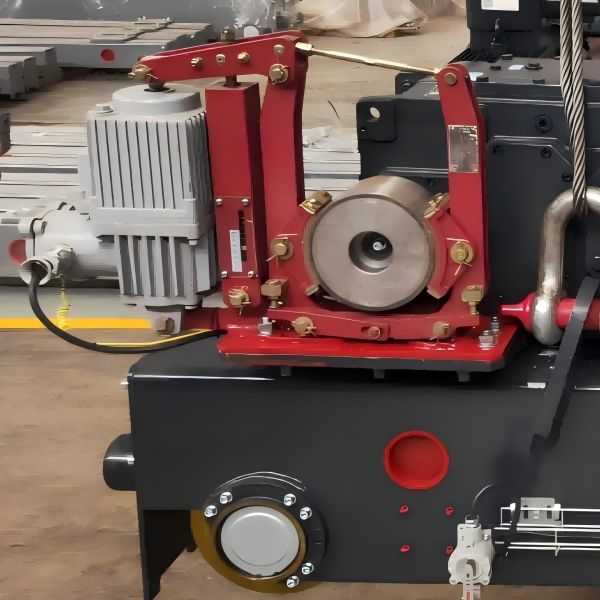

크레인 브레이크 휠 커플링
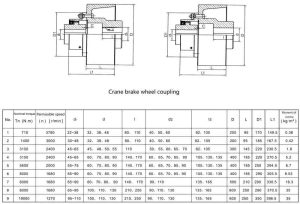
크레인 브레이크 휠 커플링 파라미터:
- 최대 허용 토크: 630 Nm ~ 125,000 Nm
- 최대 속도: 4000rpm ~ 950rpm
- 브레이크 휠 지름: ∅160, ∅200, ∅250, ∅300, ∅315, ∅400, ∅500, ∅600, ∅630, ∅700, ∅800
- 커플링 재료: ZG430-640, 45 스틸
- 커플링 유형: 하프 톱니 커플링이 있는 브레이크 휠
- 사용자 지정 옵션: 직접 도면을 제공하면 지정된 치수에 따라 제작해 드립니다.
Crane Brake Wheel Coupling for Safe and Efficient Operation
그리고 크레인 브레이크 휠 커플링 is a key component used to connect the driving and driven shafts in crane systems. It enables synchronized rotation for efficient torque transmission while also supporting braking functions.
In addition to transmitting power, this coupling plays an important role in protecting equipment from overload, ensuring safe and stable lifting operations.
Key Features of Brake Wheel Couplings
Reliable Torque Transmission
Brake wheel couplings are designed to handle high torque loads generated during lifting operations, ensuring smooth and efficient power transfer.
Overload Protection Function
These couplings provide a level of overload protection, helping to prevent damage to connected components when excessive loads occur.
Durable and Stable Structure
With a robust design, brake wheel couplings offer:
- High mechanical strength
- Stable performance under heavy loads
- Long service life in demanding conditions
Wear and Corrosion Resistance
To adapt to harsh working environments, the coupling is designed with:
- 뛰어난 내마모성
- Corrosion resistance for industrial environments
This makes it suitable for cranes operating in steel plants, ports, and outdoor conditions.
Applications of Crane Brake Wheel Couplings
Brake wheel couplings are widely used in:
- Overhead crane drive systems
- Hoisting mechanisms
- Metallurgy and steel industry
- Mining and heavy machinery
- Port and material handling equipment
How to Choose the Right Brake Wheel Coupling
When selecting a crane brake wheel coupling, consider the following factors:
- Load capacity and working conditions
- Shaft alignment accuracy
- Operating frequency (start-stop conditions)
- Working environment (temperature, dust, chemicals)
예를 들어
- Rigid couplings are suitable for stable loads and precise alignment
- Flexible couplings are better for frequent start-stop operations and shock loads
Design Considerations for Reliable Performance
To ensure performance and reliability, brake wheel couplings are designed with:
- High torque capacity for heavy-duty applications
- Optimized structure for stable operation
- Materials suitable for extreme environments
These factors contribute to improved safety and long-term performance.
Why Choose HL CRANE Brake Wheel Couplings?
HL CRANE offers high-quality brake wheel couplings with:
- Proven reliability in crane systems
- 내구성 있는 소재와 정밀한 제조
- Stable performance under heavy loads
- Custom solutions for different applications
자주 묻는 질문
What is a crane brake wheel coupling?
It is a mechanical component that connects shafts and transmits torque while supporting braking functions in crane systems.
Why is a brake wheel coupling important?
It ensures safe operation by transmitting power efficiently and providing overload protection.
Can brake wheel couplings handle heavy loads?
Yes, they are designed for high torque and heavy-duty crane applications.
How to select the right coupling?
Selection depends on load conditions, shaft alignment, and working environment.
비디오
자주 묻는 질문
Q1: 크레인 브레이크 휠 커플링이란 무엇인가요?
A: 크레인 브레이크 휠 커플링은 브레이크 휠을 크레인의 구동축에 연결하여 토크를 원활하게 전달하고 안정적인 제동 성능을 보장합니다.
Q2: 브레이크 휠 커플링의 주요 기능은 무엇인가요?
A: 회전력을 전달하고, 브레이크 휠과 샤프트 사이의 정렬을 유지하고, 충격 하중을 흡수하며, 크레인의 제동 시스템이 안전하고 효율적으로 작동하도록 합니다.
Q3: 크레인 브레이크 휠 커플링에는 어떤 재료가 사용되나요?
A: 일반적으로 고강도 합금강 또는 단조강은 산업용 크레인 애플리케이션에서 내구성, 내마모성 및 무거운 하중을 견딜 수 있는 능력을 위해 사용됩니다.
Q4: 내 크레인에 맞는 브레이크 휠 커플링을 어떻게 알 수 있습니까?
A: 샤프트 직경, 토크 요구 사항 및 브레이크 휠 유형에 따라 선택이 달라집니다. 저희 팀은 www.hnhlcrane.com 크레인 모델에 맞는 커플링을 선택하는 데 도움이 될 수 있습니다.
Q5: 크레인 브레이크 휠 커플링은 얼마나 자주 검사해야 합니까?
A: 특히 고강도 작업의 경우 정기적인 점검을 권장합니다. 마모, 정렬 불량, 균열, 적절한 윤활 상태를 점검하여 예기치 않은 고장을 방지하세요.
Q6: 크레인 브레이크 휠 커플링을 맞춤 제작할 수 있나요?
A: 예, 다양한 크기, 토크 등급 및 환경 조건에 맞는 맞춤형 커플링을 사용할 수 있습니다. OEM 교체 및 특수 디자인은 요청 시 다음을 통해 제공할 수 있습니다. www.hnhlcrane.com.