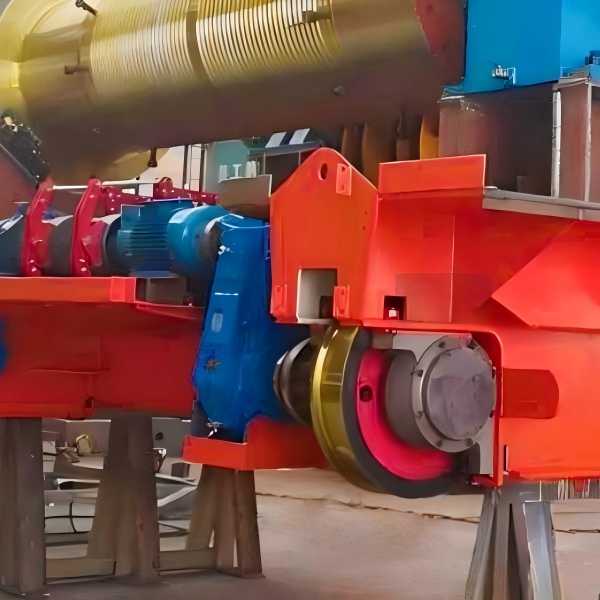

Cómo afectan las normas EN al suministro de piezas de grúa para proyectos europeos
When sourcing crane components for European projects, compliance is not just a technical detail—it is a fundamental requirement. European clients, especially in industries like steel production, construction, and heavy manufacturing, expect every component to meet strict regulatory frameworks. Among these, EN standards play a central role in determining whether a supplier is qualified.
For companies outside Europe, understanding these standards can be the difference between winning a contract and being disqualified at the quotation stage. This article explores how EN standards influence crane parts sourcing and what buyers and manufacturers need to consider.
What Are EN Standards?
EN standards (European Norms) are technical standards developed by the European Committee for Standardization. They define safety, quality, and performance requirements across a wide range of industries, including lifting equipment and crane components.
For crane systems, these standards cover:
- Structural design
- Material specifications
- Welding procedures
- Load-bearing capacity
- Safety factors
A commonly referenced example is EN 1090, which governs the fabrication of steel structures. Any crane component used in load-bearing applications—such as crane wheels, drums, or girders—must comply with these requirements to be accepted in EU projects.
For more details, you can refer to the official overview of EN standards here:
https://single-market-economy.ec.europa.eu/single-market/european-standards_en
Why EN Compliance Matters in Crane Parts Sourcing
1. Market Access
Without EN compliance, crane components cannot legally enter many European projects. Even if the product performs well technically, lack of certification can prevent it from being used.
2. Safety Assurance
Crane systems operate under high loads and often in harsh environments. EN standards ensure that:
- Materials meet mechanical strength requirements
- Manufacturing processes are consistent
- Components perform reliably under stress
3. Client Trust
European buyers tend to prioritize suppliers who understand compliance requirements. Demonstrating familiarity with EN standards builds credibility and reduces perceived risk.
Key EN Standards Relevant to Crane Components
When sourcing crane parts, several EN standards are frequently involved:
EN 1090 – Steel Structures
This standard applies to structural components such as crane frames and load-bearing elements. It requires:
- Certified welding procedures
- Traceable materials
- Factory Production Control (FPC)
EN 13001 – Crane Design
This standard defines general design principles, including load calculations and fatigue analysis.
EN 10025 – Structural Steel Materials
Specifies grades like S235, S355, and their mechanical properties.
For example, when selecting crane wheels or drums, material grades must align with these standards to ensure durability and performance.
Impact on Material Selection
One of the most direct effects of EN standards is on material choice.
European projects typically require:
- Certified steel grades (e.g., S355J2)
- Verified chemical composition
- Documented mechanical properties
This means that generic or undocumented materials are not acceptable. Suppliers must provide:
- Mill test certificates
- Heat treatment records
- Hardness reports
At HL CRANE, material traceability is integrated into our production process to meet these expectations. You can explore our manufacturing capabilities here:
https://www.hnhlcrane.com/
Influence on Manufacturing Processes
EN compliance is not only about materials—it also affects how components are produced.
Welding Requirements
- Welders must be certified
- Welding procedures must be documented (WPS/PQR)
Machining Tolerances
- Components must meet precise dimensional tolerances
- Surface finish and alignment are critical
Heat Treatment
- Processes like quenching and tempering must be controlled and recorded
For instance, crane drums used in heavy-duty applications require strict control over hardness and structural integrity to comply with EN requirements.
Documentation and Certification
European clients often request detailed documentation before approving a supplier. This may include:
- EN 10204 3.1 material certificates
- Non-destructive testing (NDT) reports
- Dimensional inspection reports
- CE marking (when applicable)
Without these documents, even high-quality products may be rejected.
How EN Standards Affect Supplier Selection
From a buyer’s perspective, sourcing crane parts is not just about price—it’s about compliance capability.
Suppliers are typically evaluated based on:
- Experience with European projects
- Understanding of EN standards
- Ability to provide complete documentation
- Quality control systems
This is why many European buyers prefer working with manufacturers who already have a track record in EU markets.
Practical Challenges in Sourcing
Despite their importance, EN standards can create challenges:
1. Higher Production Costs
Compliance requires better materials, stricter processes, and more testing.
2. Longer Lead Times
Additional inspections and documentation can extend delivery schedules.
3. Communication Gaps
Misunderstandings about standards can lead to incorrect specifications.
To minimize these issues, clear technical communication is essential from the early stages of a project.
How HL CRANE Supports European Projects
At HL CRANE, we have worked with clients across different regions, including Europe, where compliance requirements are particularly strict.
Our approach includes:
- Using certified materials aligned with EN standards
- Maintaining strict quality control throughout production
- Providing complete documentation for every shipment
- Customizing components based on project specifications
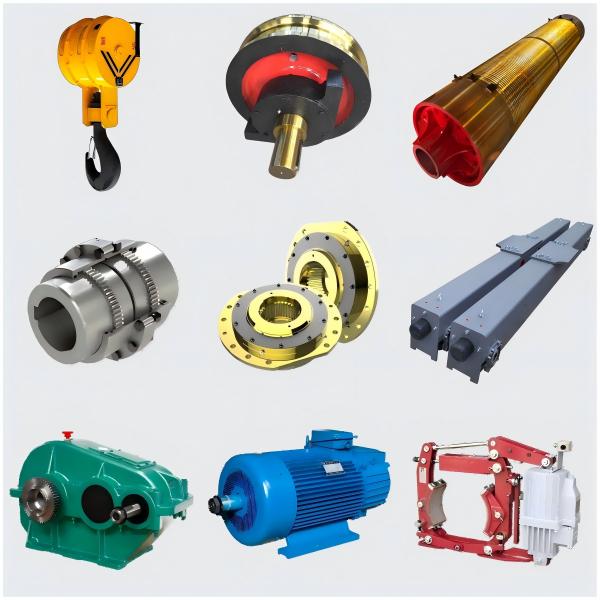
For example, our crane wheel and drum solutions are designed to meet demanding industrial conditions while aligning with international standards.
If you are working on a European project and need reliable components, you can also check our solutions page:
https://www.hnhlcrane.com/solutions/foundry-crane-solutions/
Best Practices for Buyers
If you are sourcing crane parts for Europe, consider the following:
- Specify EN standards clearly in your RFQ
- Request documentation samples before placing orders
- Verify supplier experience with EU projects
- Ensure technical drawings match EN requirements
Taking these steps early can prevent costly delays later.
Conclusión
EN standards are not just regulatory requirements—they shape every aspect of crane parts sourcing for European projects. From material selection to manufacturing processes and documentation, compliance influences both quality and market access.
For suppliers, understanding these standards is essential to compete in the European market. For buyers, working with experienced manufacturers ensures smoother project execution and reduced risk.
As global trade continues to grow, the ability to meet international standards like EN will remain a key factor in successful crane component sourcing.
PREGUNTAS FRECUENTES
1. What are EN standards for crane parts?
EN standards for crane parts are European regulations that define requirements for design, materials, manufacturing, and safety. They ensure crane components meet strict quality and performance standards required for use in European industrial projects.
2. Why are EN standards important in Europe?
EN standards are important because they are often mandatory for crane equipment used in European projects. They ensure safety, reliability, and legal compliance, helping buyers avoid risks and meet regulatory requirements.
3. Which EN standards apply to crane components?
Common EN standards for crane components include EN 1090 for steel structures, EN 13001 for crane design, and EN 10025 for material specifications. These standards cover structural strength, load capacity, and manufacturing quality.
4. What documents prove EN compliance?
EN compliance is typically proven with material certificates (EN 10204 3.1), welding documentation, inspection reports, and non-destructive testing results. These documents verify that crane parts meet European quality and safety standards.
5. Can Chinese manufacturers meet EN standards?
Yes, Chinese manufacturers can meet EN standards if they use certified materials, follow controlled production processes, and provide full documentation. Experienced suppliers can successfully supply compliant crane parts for European projects.