
Why Crane Parts Fail Early: Hidden Problems from Low-Cost Suppliers
In today’s competitive industrial market, many buyers choose low-cost crane parts to reduce procurement expenses. At first glance, the price difference seems attractive. However, early failures of crane components often reveal hidden problems that cost far more than the initial savings. Understanding these risks helps buyers make smarter, long-term decisions.
1. Inferior Raw Materials
One of the most common reasons crane parts fail early is poor material quality. Low-cost suppliers may use substandard steel grades or recycled materials without proper chemical composition control. These materials lack sufficient strength, toughness, and fatigue resistance.
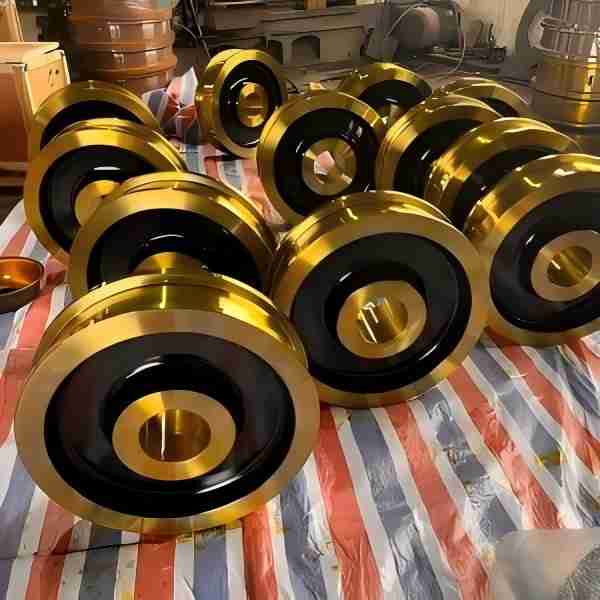
For example, crane wheels or shafts made from low-grade steel can crack under repeated loads. Over time, this leads to sudden failures and serious safety risks. Reputable suppliers, such as HL CRANE, strictly control raw materials and provide material certificates to verify compliance with international standards.
👉 Learn more about our overhead crane parts:https://www.hnhlcrane.com/products/
2. Improper Heat Treatment
Heat treatment plays a critical role in the performance of crane components. Low-cost manufacturers often skip precise control of quenching, tempering, or surface hardening processes to save time and energy costs.
Improper heat treatment can result in:
-
Excessive hardness, causing brittleness and cracking
-
Insufficient hardness, leading to rapid wear
-
Uneven hardness distribution across the part
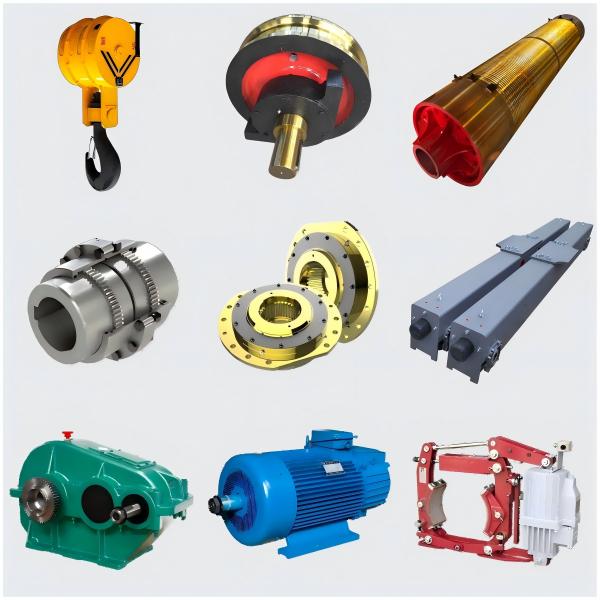
For critical components like crane wheels, hooks, and gears, professional suppliers apply controlled quenching and tempering combined with induction hardening to balance strength and wear resistance.
3. Lack of Precision Machining
Another hidden issue is poor machining accuracy. Low-cost crane parts often show large dimensional tolerances, rough surfaces, or misaligned holes. These defects increase vibration, accelerate wear, and shorten service life.
In overhead crane systems, even small dimensional errors can affect load distribution. This results in higher stress on bearings, shafts, and wire ropes. Precision machining and final grinding are essential steps that many low-budget suppliers overlook.
4. Missing Quality Inspection and Testing
Quality inspection is often the first process reduced when suppliers compete only on price. Many low-cost crane parts are shipped without:
-
Non-destructive testing (NDT)
-
Hardness testing reports
-
Load or performance inspections
Without these checks, internal cracks or defects remain undetected until failure occurs in service. At HL CRANE, every critical component can be supplied with NDT reports and hardness test reports, ensuring reliability before shipment.
5. Higher Long-Term Costs
While low-cost crane parts may reduce upfront expenses, they often increase total operating costs. Frequent replacements, unplanned downtime, maintenance labor, and safety incidents quickly outweigh the initial savings.
Industrial buyers increasingly focus on lifecycle cost, not just purchase price. Reliable crane components improve uptime, reduce maintenance frequency, and protect workers and equipment.
Choose Reliability Over Short-Term Savings
Early crane part failures are rarely accidental. They result from hidden compromises in materials, heat treatment, machining, and inspection. Choosing a trusted supplier with proven quality control is the most effective way to protect your investment.
HL CRANE supplies durable, precision-engineered crane parts for industrial lifting applications worldwide. Learn more about our full range of industrial crane spare parts at:https://www.hnhlcrane.com/
FAQ 1: Why do low-cost crane parts fail earlier than expected?
Low-cost crane parts often fail early due to inferior raw materials, improper heat treatment, poor machining accuracy, and insufficient quality inspections. These hidden issues reduce strength, wear resistance, and fatigue life, leading to premature failure.
FAQ 2: How does improper heat treatment affect crane components?
Improper heat treatment can cause excessive brittleness or insufficient hardness. This leads to cracking, rapid wear, and uneven load distribution, especially in critical crane parts such as wheels, hooks, and gears.
FAQ 3: Are material certificates important when purchasing crane parts?
Yes. Material certificates verify the chemical composition and mechanical properties of the steel. They help buyers confirm that crane parts meet required standards and ensure long-term reliability and safety.
FAQ 4: What inspections should reliable crane parts suppliers provide?
Reliable suppliers should provide non-destructive testing (NDT) reports, hardness test reports, and dimensional inspection records. These inspections help detect internal defects and confirm proper manufacturing quality before delivery.
FAQ 5: How can buyers reduce long-term costs when sourcing crane parts?
Buyers can reduce long-term costs by choosing quality-focused suppliers, not just low prices. Reliable crane parts reduce downtime, maintenance frequency, and safety risks, resulting in a lower total lifecycle cost.