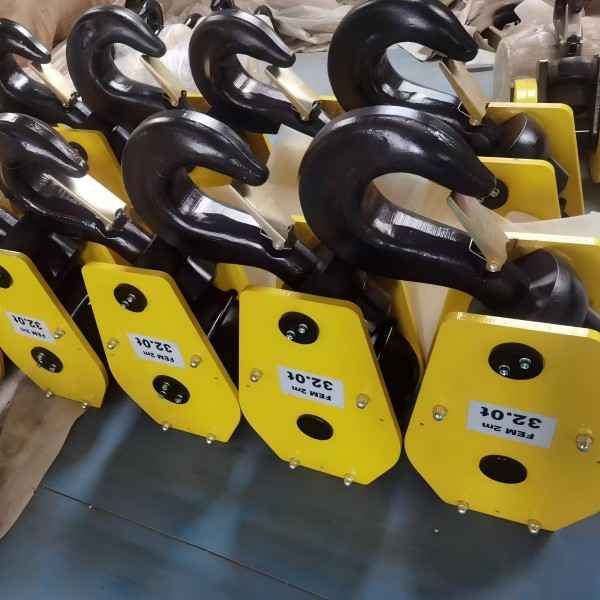

Why Crane Hooks Deform and How to Prevent It
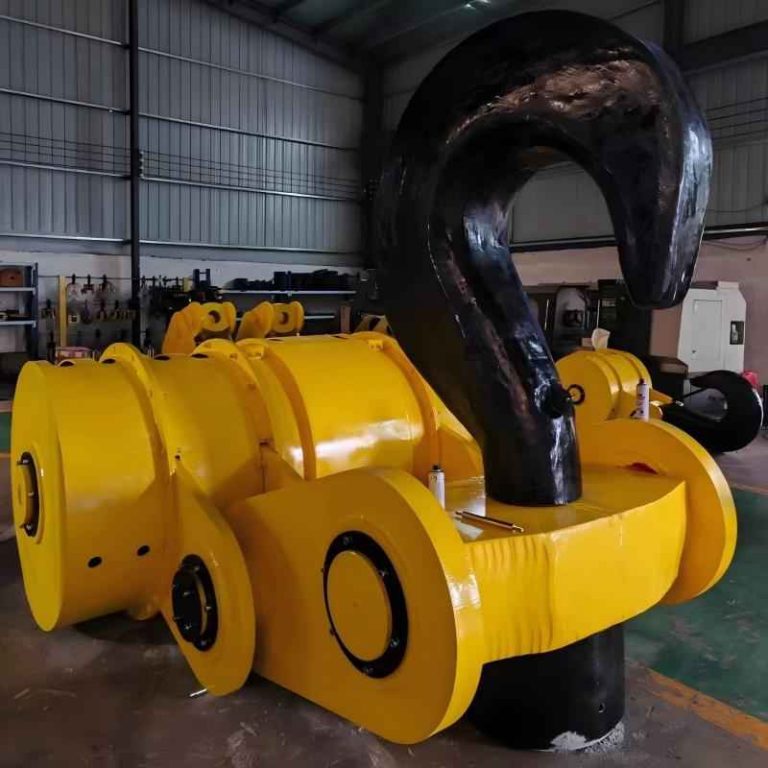
Crane hooks are among the most critical load-bearing components in any lifting system. Whether used in overhead cranes, gantry cranes, or hoisting equipment, the hook directly carries the load and ensures safe lifting operations. However, Crane hooks deform is a common issue in industrial environments, and if left unaddressed, it can lead to severe safety risks and costly downtime.
In this guide from HL CRANE, we will explore why crane hooks deform, how to identify early warning signs, and most importantly, how to prevent such failures effectively.
What Is Crane Hook Deformation?
Crane hook deformation refers to the permanent change in the hook’s shape due to excessive stress, fatigue, or improper usage. The most common form is the gradual opening of the hook throat, which reduces its ability to securely hold loads.
According to industry guidelines such as those outlined by OSHA, any visible deformation is a serious safety concern and requires immediate inspection or replacement.
Main Causes of Crane Hook Deformation
1. Overloading
The most frequent cause of hook deformation is lifting loads beyond the rated capacity. Even occasional overloading can introduce plastic deformation in the metal, weakening the hook over time.
Operators sometimes underestimate load weight or ignore dynamic forces caused by sudden lifting or stopping. These factors can significantly increase stress on the hook.
2. Metal Fatigue
Repeated loading and unloading cycles gradually weaken the hook material. Over time, microscopic cracks develop and expand, eventually leading to deformation or even fracture.
This is especially common in high-duty applications where cranes operate continuously.
3. Improper Heat Treatment
Crane hooks are typically made from high-strength alloy steel and require proper heat treatment. If the manufacturing process is not controlled correctly, the hook may lack the necessary hardness and toughness.
At HL CRANE, we ensure strict quality control during forging and heat treatment to guarantee long-term performance.
4. Side Loading
Hooks are designed to تحمل loads vertically. When loads are applied at an angle (side loading), uneven stress distribution occurs, leading to bending or twisting of the hook.
This often happens due to improper rigging or misalignment during lifting.
5. Wear and Corrosion
Environmental factors such as moisture, chemicals, and dust can lead to corrosion and material loss. Over time, this reduces the cross-sectional area of the hook, making it more susceptible to deformation.
Regular inspection is essential to detect early signs of wear.
Warning Signs You Should Not Ignore
Recognizing early signs of deformation can prevent accidents. Key indicators include:
- Increase in hook throat opening
- Visible bending or twisting
- Surface cracks or wear
- Difficulty in load positioning
If any of these signs are observed, the hook should be taken out of service immediately.
For more crane component insights, you can also explore our detailed guides at:
👉 www.hnhlcrane.com
How to Prevent Crane Hook Deformation
1. Follow Rated Load Limits
Always operate within the crane’s rated capacity. Implement load monitoring systems if necessary to avoid accidental overloading.
2. Conduct Regular Inspections
Routine inspections are essential for safe operation. Follow standards such as those recommended by ISO to establish inspection intervals.
Inspection should include:
- Visual checks
- Dimensional measurements
- Non-destructive testing (if required)
3. Use Proper Rigging Techniques
Ensure that loads are lifted vertically and evenly distributed. Avoid side pulling and sudden movements.
Proper rigging not only protects the hook but also improves overall lifting safety.
4. Choose High-Quality Materials
Using high-quality hooks made from alloy steel with proper heat treatment significantly reduces the risk of deformation.
At HL CRANE, we provide reliable crane components designed for heavy-duty applications. Learn more about our products here:
👉 https://www.hnhlcrane.com/products/crane_hook/
5. Implement Preventive Maintenance
A proactive maintenance plan helps identify issues before they become critical. Lubrication, cleaning, and timely replacement are key steps in extending the service life of crane hooks.
6. Replace When Necessary
No component lasts forever. If deformation exceeds allowable limits, the hook must be replaced immediately.
Refer to industry best practices such as those published by ASME for discard criteria.
Why It Matters
Ignoring crane hook deformation can result in:
- Load drops
- Equipment damage
- Serious injuries
- Operational downtime
Investing in proper maintenance and high-quality components is not just a cost—it’s a safety necessity.
Conclusion
Crane hook deformation is a preventable issue when proper practices are followed. By understanding the causes—such as overloading, fatigue, and improper usage—you can take proactive steps to ensure safe and efficient operations.
At HL CRANE, we are committed to providing durable and reliable crane components for global industries. Whether you need standard hooks or customized solutions, we are here to support your lifting needs.
Frequently Asked Questions (FAQ)
1. What are the main signs of crane hook deformation?
The most common signs include an increased hook throat opening, visible bending or twisting, surface cracks, and uneven wear. Regular inspection is essential to detect these issues early and prevent accidents.
2. Can a deformed crane hook be repaired?
In most cases, a deformed crane hook should not be repaired. Once the hook has undergone plastic deformation, its structural integrity is compromised. According to standards from ASME, such hooks should be replaced to ensure safety.
3. How often should crane hooks be inspected?
Inspection frequency depends on usage conditions. For heavy-duty or continuous operations, daily visual checks and periodic detailed inspections are recommended, following guidelines from ISO or local safety standards.
4. What causes crane hooks to fail prematurely?
Premature failure is usually caused by overloading, improper rigging (such as side loading), poor material quality, lack of maintenance, or harsh environmental conditions. Using high-quality components and following proper operating procedures can significantly reduce these risks.