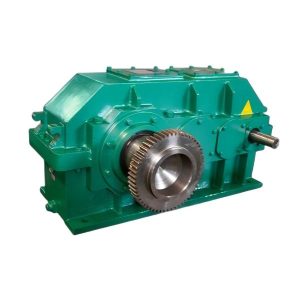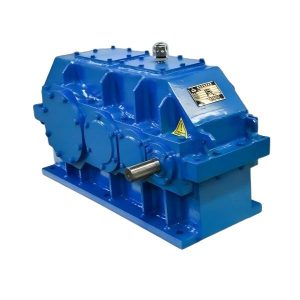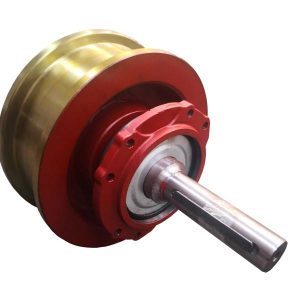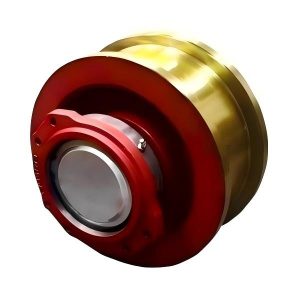

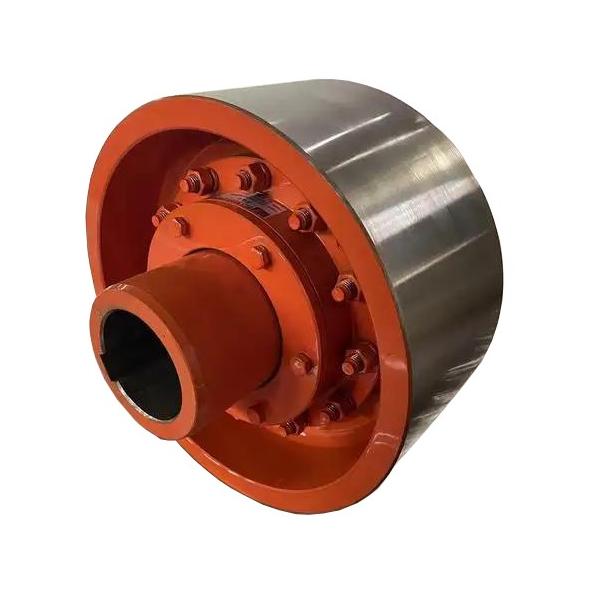
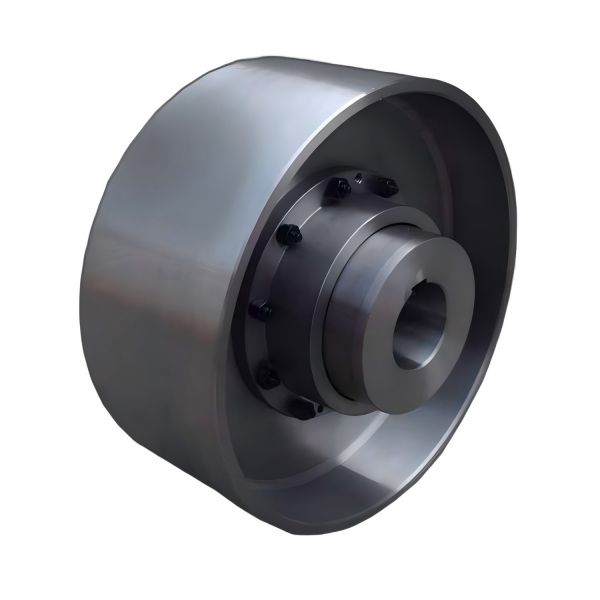
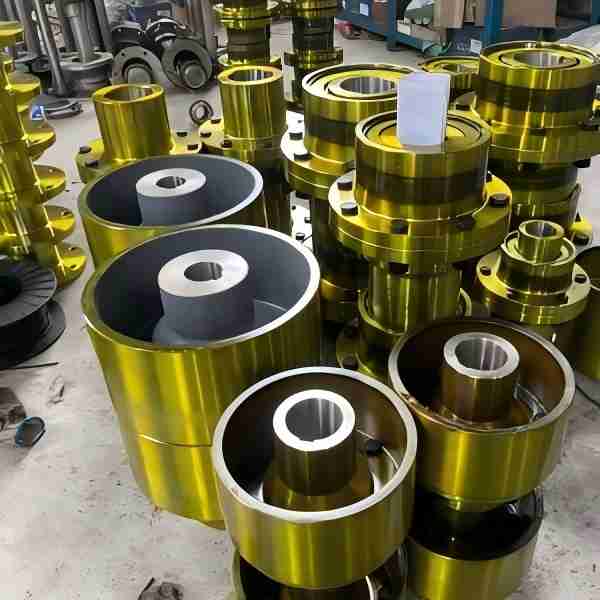
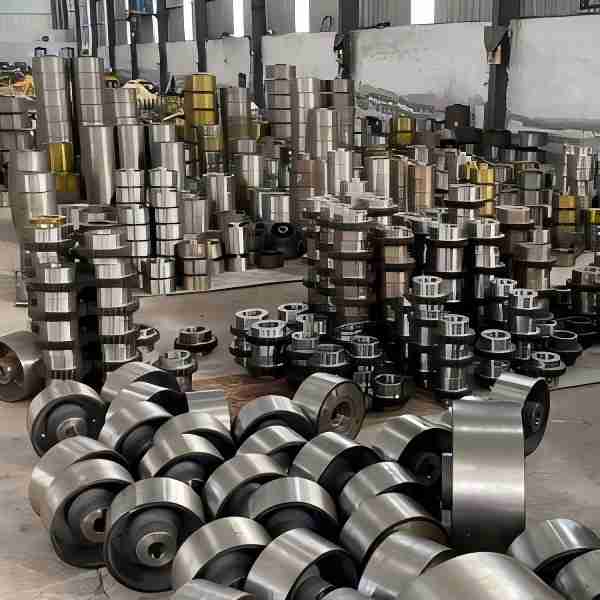
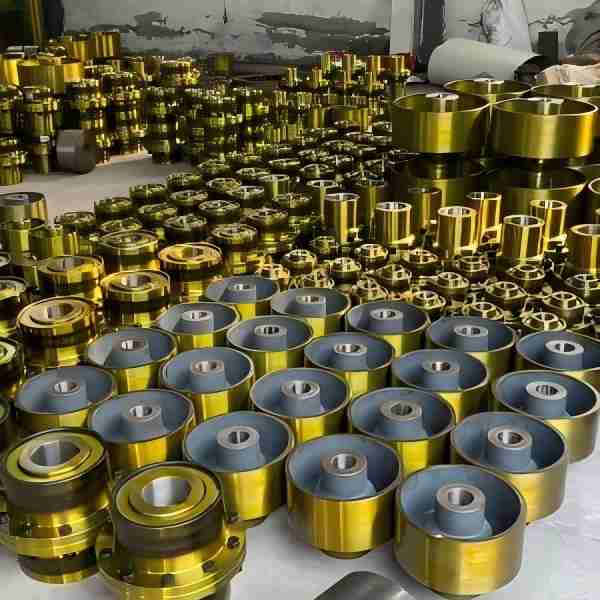
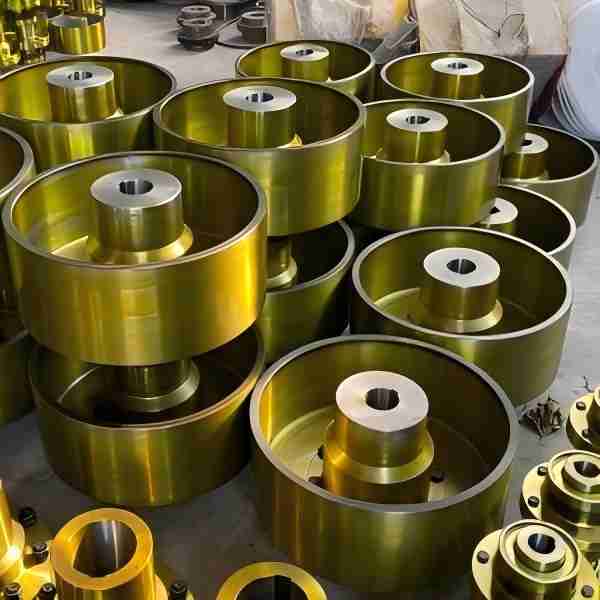
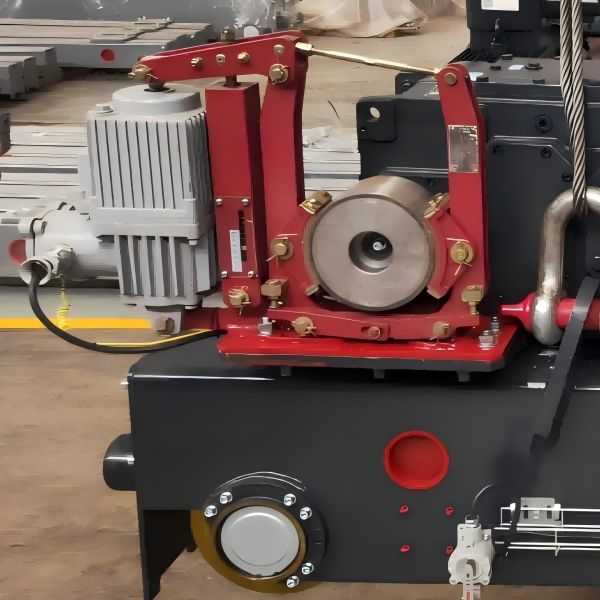

Celtņa bremžu riteņa sakabe
Celtņa bremžu riteņa sakabes parametri:
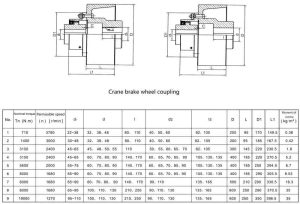
- Maksimālais pieļaujamais griezes moments: 630 Nm līdz 125 000 Nm
- Maksimālais ātrums: 4000 līdz 950 apgriezieni minūtē
- Bremžu riteņa diametrs: ∅160, ∅200, ∅250, ∅300, ∅315, ∅400, ∅500, ∅600, ∅630, ∅700, ∅800
- Savienojuma materiāls: ZG430-640, 45 tērauds
- Savienojuma tips: Bremžu ritenis ar puszobu sakabi
- Pielāgotās opcijas: Jūs varat iesniegt savus rasējumus, un mēs izgatavosim atbilstoši norādītajiem izmēriem.
Crane Brake Wheel Coupling for Safe and Efficient Operation
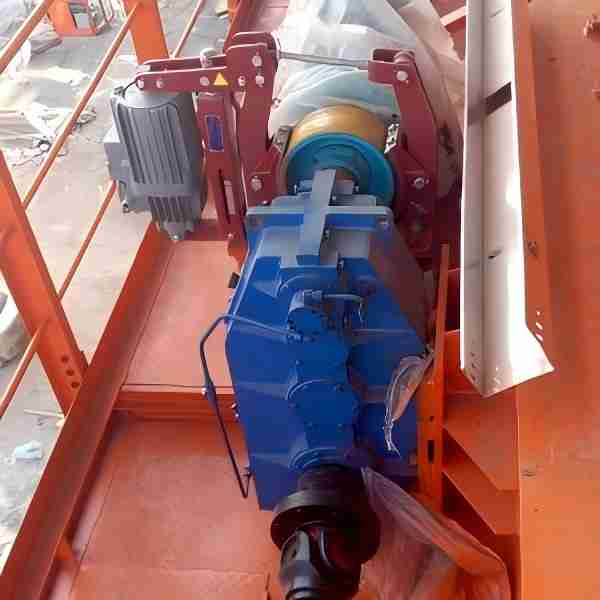
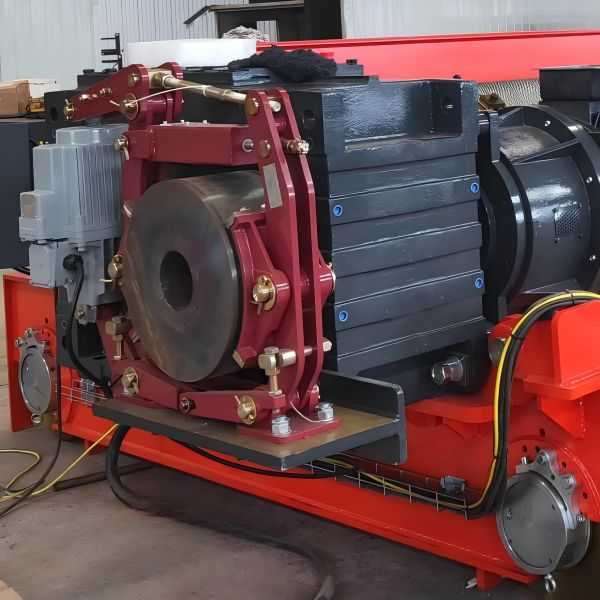
Portāls celtņa bremžu riteņa sakabe is a key component used to connect the driving and driven shafts in crane systems. It enables synchronized rotation for efficient torque transmission while also supporting braking functions.
In addition to transmitting power, this coupling plays an important role in protecting equipment from overload, ensuring safe and stable lifting operations.
Key Features of Brake Wheel Couplings
Reliable Torque Transmission
Brake wheel couplings are designed to handle high torque loads generated during lifting operations, ensuring smooth and efficient power transfer.
Overload Protection Function
These couplings provide a level of overload protection, helping to prevent damage to connected components when excessive loads occur.
Durable and Stable Structure
With a robust design, brake wheel couplings offer:
- High mechanical strength
- Stable performance under heavy loads
- Long service life in demanding conditions
Wear and Corrosion Resistance
To adapt to harsh working environments, the coupling is designed with:
- Excellent wear resistance
- Corrosion resistance for industrial environments
This makes it suitable for cranes operating in steel plants, ports, and outdoor conditions.
Applications of Crane Brake Wheel Couplings
Brake wheel couplings are widely used in:
- Overhead crane drive systems
- Hoisting mechanisms
- Metallurgy and steel industry
- Mining and heavy machinery
- Port and material handling equipment
How to Choose the Right Brake Wheel Coupling
When selecting a crane brake wheel coupling, consider the following factors:
- Load capacity and working conditions
- Shaft alignment accuracy
- Operating frequency (start-stop conditions)
- Working environment (temperature, dust, chemicals)
Piemēram:
- Rigid couplings are suitable for stable loads and precise alignment
- Flexible couplings are better for frequent start-stop operations and shock loads
Design Considerations for Reliable Performance
To ensure performance and reliability, brake wheel couplings are designed with:
- High torque capacity for heavy-duty applications
- Optimized structure for stable operation
- Materials suitable for extreme environments
These factors contribute to improved safety and long-term performance.
Why Choose HL CRANE Brake Wheel Couplings?
HL CRANE offers high-quality brake wheel couplings with:
- Proven reliability in crane systems
- Durable materials and precise manufacturing
- Stable performance under heavy loads
- Custom solutions for different applications
BIEŽĀK UZDOTIE JAUTĀJUMI
What is a crane brake wheel coupling?
It is a mechanical component that connects shafts and transmits torque while supporting braking functions in crane systems.
Why is a brake wheel coupling important?
It ensures safe operation by transmitting power efficiently and providing overload protection.
Can brake wheel couplings handle heavy loads?
Yes, they are designed for high torque and heavy-duty crane applications.
How to select the right coupling?
Selection depends on load conditions, shaft alignment, and working environment.
Video
Faq
1. jautājums: Kas ir celtņa bremžu riteņa sakabe?
A: Celtņa bremžu riteņa sakabe savieno bremžu riteni ar celtņa piedziņas vārpstu, nodrošinot vienmērīgu griezes momenta pārnesi un uzticamu bremzēšanas darbību.
2. jautājums: Kādas ir bremžu riteņa sakabes galvenās funkcijas?
A: Tā pārnes rotācijas spēku, uztur bremžu riteņa un vārpstas izlīdzinājumu, absorbē trieciena slodzi un nodrošina drošu un efektīvu celtņa bremžu sistēmas darbību.
3. jautājums: Kādi materiāli tiek izmantoti celtņa bremžu riteņu sakabēm?
A: Parasti augstas stiprības leģētais tērauds vai kaltais tērauds tiek izmantots, lai nodrošinātu izturību, nodilumizturību un spēju izturēt lielas slodzes rūpnieciskajos celtņos.
4. jautājums: Kā es varu zināt, kura bremžu riteņa sakabe ir piemērota manam celtnim?
A: Izvēle ir atkarīga no vārpstas diametra, griezes momenta prasībām un bremžu riteņa tipa. Mūsu komanda www.hnhlcrane.com var palīdzēt izvēlēties pareizo sakabi jūsu celtņa modelim.
5. jautājums: Cik bieži jāpārbauda celtņa bremžu riteņu sakabes?
A: Ieteicams veikt regulāras pārbaudes, jo īpaši, ja tiek veiktas lielas slodzes operācijas. Pārbaudiet, vai nav nolietojuma, neatbilstības, plaisu un pareizas eļļošanas, lai novērstu neparedzētas kļūmes.
Q6: Vai celtņa bremžu riteņu sakabes var pielāgot?
A: Jā, ir pieejamas pielāgotas sakabes dažādiem izmēriem, griezes momentiem un vides apstākļiem. OEM aizstājējus un īpašas konstrukcijas var nodrošināt pēc pieprasījuma, izmantojot www.hnhlcrane.com.