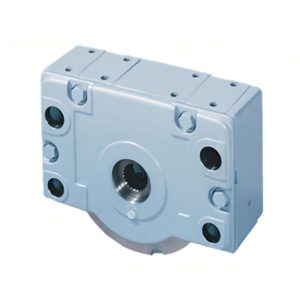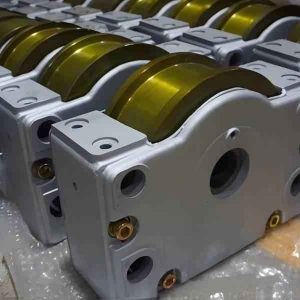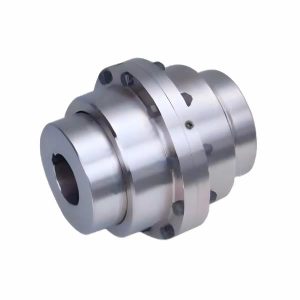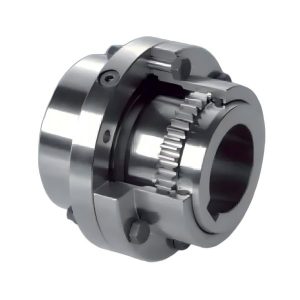

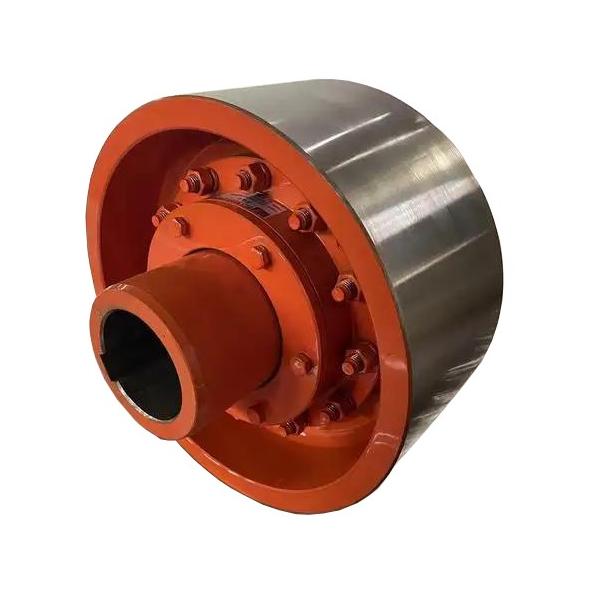
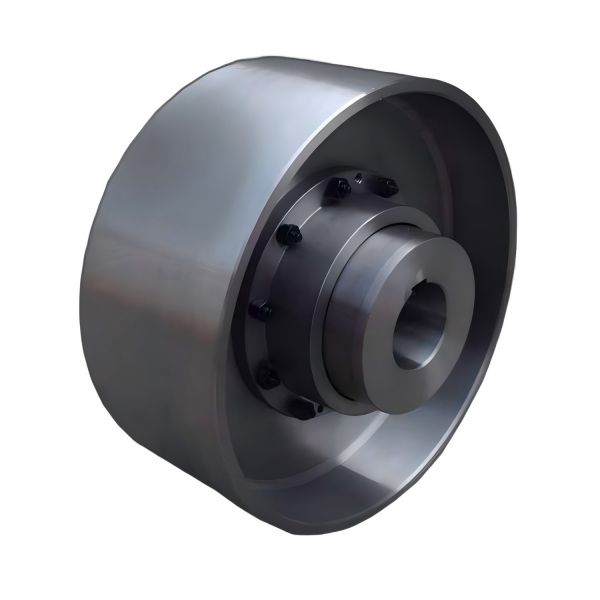
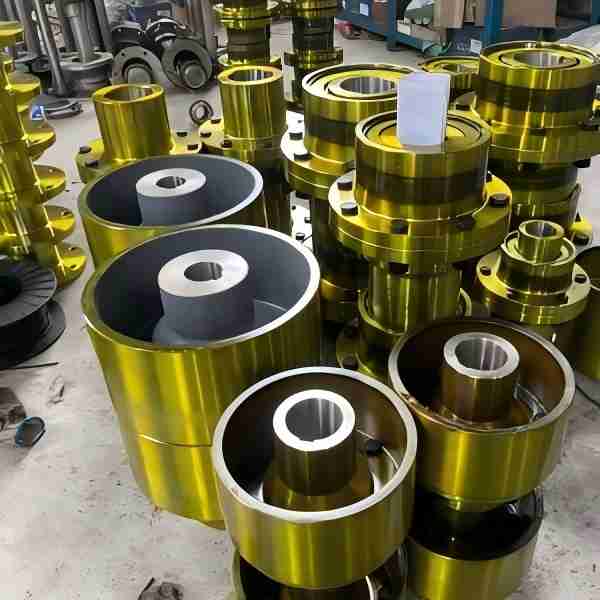
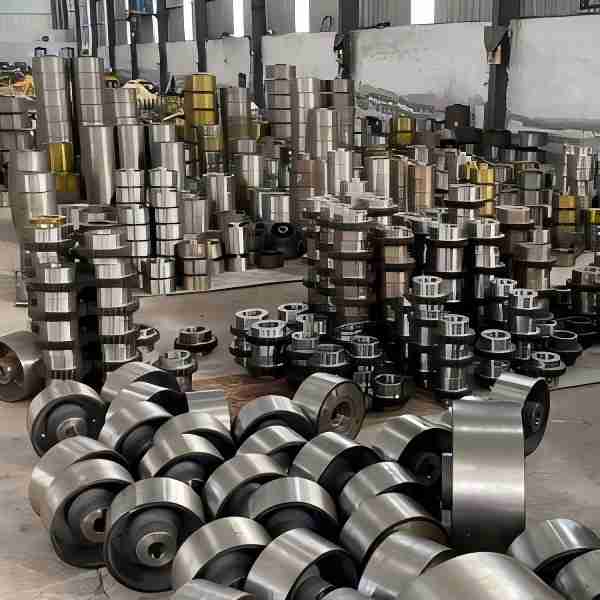
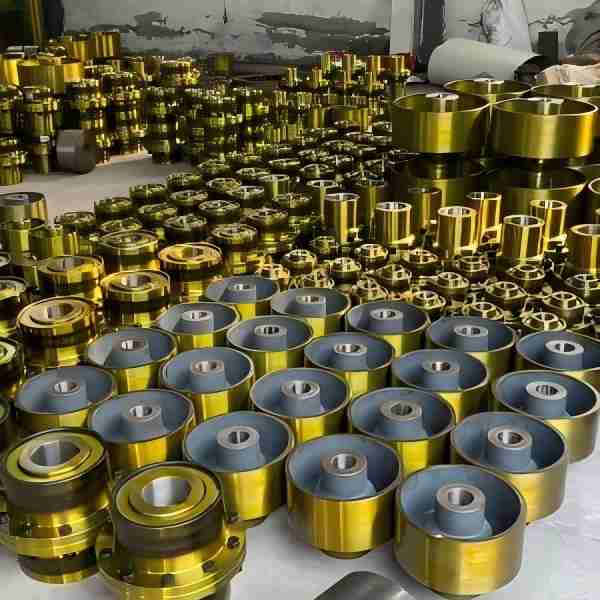
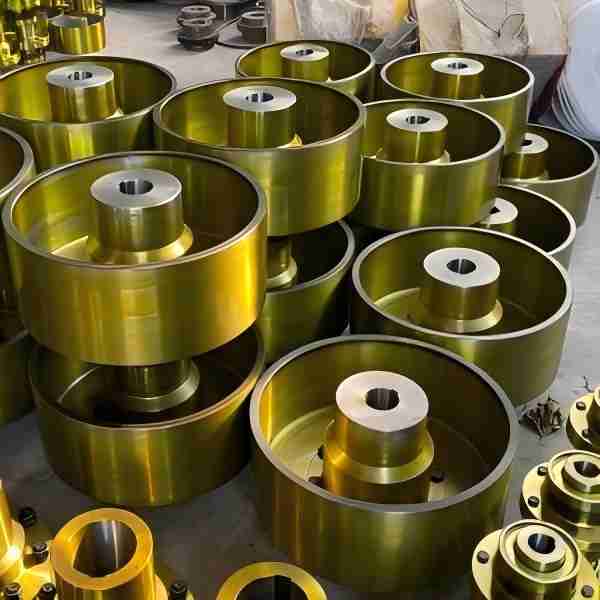
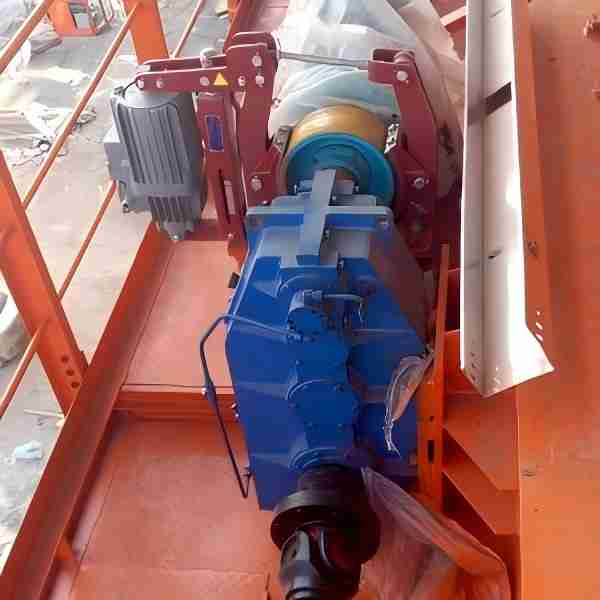
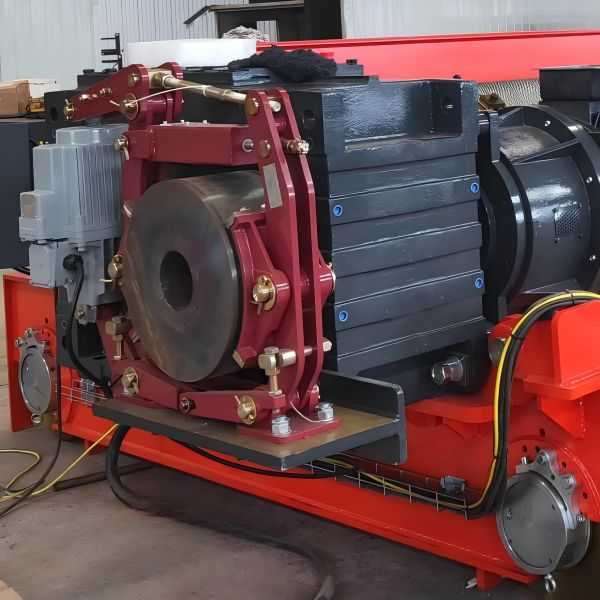
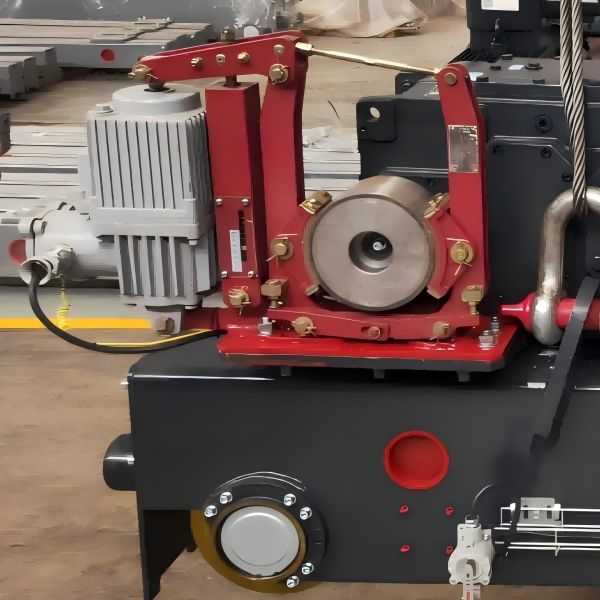

Acoplamiento de rueda de freno de grúa
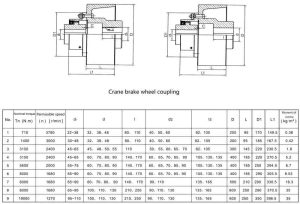
Parámetros de acoplamiento de la rueda del freno de la grúa:
- Par máximo admisible: 630 Nm a 125.000 Nm
- Velocidad máxima: 4000 rpm a 950 rpm
- Diámetro de la rueda de freno: ∅160, ∅200, ∅250, ∅300, ∅315, ∅400, ∅500, ∅600, ∅630, ∅700, ∅800
- Material del acoplamiento: ZG430-640, 45 acero
- Tipo de acoplamiento: Rueda de freno con acoplamiento de medio diente
- Opciones personalizadas: Puede proporcionarnos sus propios planos y nosotros fabricaremos según las dimensiones especificadas.
Acoplamiento de rueda con freno de grúa para un funcionamiento seguro y eficaz
En freno de grúa acoplamiento de rueda es un componente clave utilizado para conectar los ejes motriz y conducido en los sistemas de grúas. Permite la rotación sincronizada para una transmisión eficiente del par, al tiempo que soporta las funciones de frenado.
Además de transmitir potencia, este acoplamiento desempeña un papel importante en la protección de los equipos frente a sobrecargas, garantizando operaciones de elevación seguras y estables.
Características principales de los acoplamientos de rueda de freno
Transmisión de par fiable
Los acoplamientos de rueda con freno están diseñados para soportar elevadas cargas de par generadas durante las operaciones de elevación, garantizando una transferencia de potencia suave y eficaz.
Función de protección contra sobrecargas
Estos acoplamientos proporcionan un nivel de protección contra sobrecargas, ayudando a prevenir daños en los componentes conectados cuando se producen cargas excesivas.
Estructura duradera y estable
Con un diseño robusto, los acoplamientos de rueda con freno ofrecen:
- Alta resistencia mecánica
- Rendimiento estable con cargas pesadas
- Larga vida útil en condiciones exigentes
Resistencia al desgaste y a la corrosión
Para adaptarse a entornos de trabajo difíciles, el acoplamiento está diseñado con:
- Excelente resistencia al desgaste
- Resistencia a la corrosión en entornos industriales
Esto la hace adecuada para grúas que operan en plantas siderúrgicas, puertos y condiciones exteriores.
Aplicaciones de los acoplamientos de rueda de freno de grúa
Los acoplamientos de rueda de freno se utilizan ampliamente en:
- Sistemas de accionamiento de puentes grúa
- Mecanismos de elevación
- Metalurgia e industria siderúrgica
- Minería y maquinaria pesada
- Equipos portuarios y de manipulación de materiales
Cómo elegir el acoplamiento de rueda de freno adecuado
Al seleccionar un acoplamiento de rueda de freno de grúa, tenga en cuenta los siguientes factores:
- Capacidad de carga y condiciones de trabajo
- Precisión de alineación del eje
- Frecuencia de funcionamiento (condiciones de arranque-parada)
- Entorno de trabajo (temperatura, polvo, productos químicos)
Por ejemplo:
- Los acoplamientos rígidos son adecuados para cargas estables y una alineación precisa
- Los acoplamientos elásticos son mejores para operaciones frecuentes de arranque-parada y cargas de choque
Consideraciones de diseño para un rendimiento fiable
Para garantizar el rendimiento y la fiabilidad, los acoplamientos de rueda de freno están diseñados con:
- Gran capacidad de par para aplicaciones pesadas
- Estructura optimizada para un funcionamiento estable
- Materiales adecuados para entornos extremos
Estos factores contribuyen a mejorar la seguridad y el rendimiento a largo plazo.
¿Por qué elegir los acoplamientos de rueda de freno HL CRANE?
HL CRANE ofrece acoplamientos de rueda de freno de alta calidad con:
- Fiabilidad probada en sistemas de grúa
- Materiales duraderos y fabricación precisa
- Rendimiento estable con cargas pesadas
- Soluciones personalizadas para distintas aplicaciones
PREGUNTAS FRECUENTES
¿Qué es un acoplamiento de rueda de freno de grúa?
Se trata de un componente mecánico que conecta los ejes y transmite el par al tiempo que soporta las funciones de frenado en los sistemas de grúa.
¿Por qué es importante un acoplamiento de rueda de freno?
Garantiza un funcionamiento seguro transmitiendo la potencia de forma eficiente y proporcionando protección contra sobrecargas.
¿Pueden los acoplamientos de rueda con freno soportar cargas pesadas?
Sí, están diseñados para aplicaciones de grúas de alto par y servicio pesado.
¿Cómo elegir el acoplamiento adecuado?
La selección depende de las condiciones de carga, la alineación del eje y el entorno de trabajo.
Vídeo
Faq
P1: ¿Qué es un acoplamiento de rueda de freno de grúa?
R: Un acoplamiento de rueda de freno de grúa conecta la rueda de freno al eje motriz de la grúa, garantizando una transmisión suave del par y permitiendo un rendimiento de frenado fiable.
P2: ¿Cuáles son las principales funciones de un acoplamiento de rueda de freno?
R: Transmite la fuerza de rotación, mantiene la alineación entre la rueda de freno y el eje, absorbe las cargas de choque y garantiza que el sistema de frenado de la grúa funcione con seguridad y eficacia.
P3: ¿Qué materiales se utilizan para los acoplamientos de rueda de freno de grúa?
R: Normalmente, el acero de aleación de alta resistencia o el acero forjado se utilizan por su durabilidad, resistencia al desgaste y capacidad para soportar cargas pesadas en aplicaciones de grúas industriales.
P4: ¿Cómo sé qué acoplamiento de rueda con freno se adapta a mi grúa?
R: La selección depende del diámetro del eje, los requisitos de par y el tipo de rueda de freno. Nuestro equipo de www.hnhlcrane.com puede ayudarle a elegir el acoplamiento correcto para su modelo de grúa.
P5: ¿Con qué frecuencia deben inspeccionarse los acoplamientos de las ruedas de los frenos de las grúas?
R: Se recomienda realizar inspecciones periódicas, especialmente en operaciones de servicio pesado. Compruebe el desgaste, la desalineación, las grietas y la lubricación adecuada para evitar fallos inesperados.
P6: ¿Se pueden personalizar los acoplamientos de rueda de freno de grúa?
R: Sí, disponemos de acoplamientos personalizados para diferentes tamaños, pares de apriete y condiciones ambientales. Se pueden suministrar recambios OEM y diseños especiales previa solicitud a través de www.hnhlcrane.com.