
Why Material Traceability Matters in Crane Parts Manufacturing
In the crane industry, safety, reliability, and long-term performance are not optional — they are fundamental requirements. Every hook, drum, wheel, and structural component carries heavy loads and works under continuous stress. A single failure can lead to serious accidents, equipment damage, and costly downtime.
One of the most important foundations behind safe and reliable crane parts is material traceability.
At HL CRANE, we believe that high-quality manufacturing does not start from machining or assembly. It starts from knowing exactly where every piece of steel comes from, how it is processed, and how it is verified before it becomes part of a finished crane component.
In this article, we explain why material traceability is so important in crane parts manufacturing, how it works in practice, and how it benefits buyers, operators, and maintenance teams worldwide.
What Is Material Traceability?
Material traceability refers to the ability to track and document the complete history of raw materials used in manufacturing — from steel production to final delivery.
In crane parts manufacturing, this typically includes:
-
Steel mill certificates
-
Heat numbers and batch numbers
-
Chemical composition reports
-
Mechanical property tests
-
Inspection records
-
Processing and machining logs
Each component can be traced back to its original steel source and production batch.
Simply put, traceability means:
Every critical crane part has a documented “identity card.”
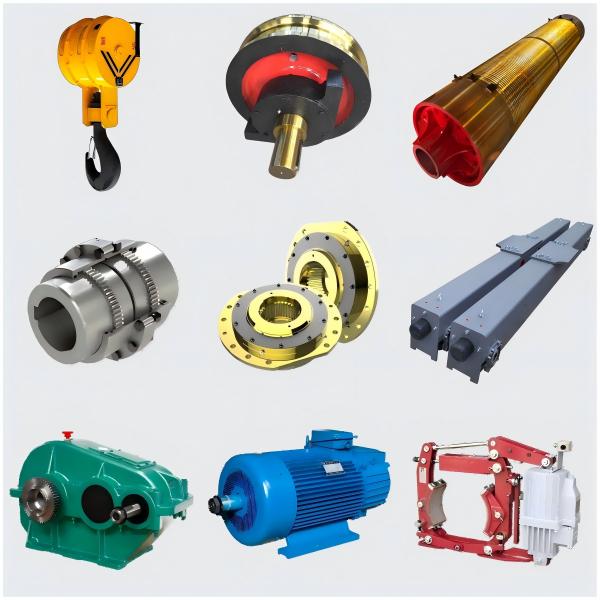
This information becomes especially important for load-bearing components such as:
-
Crane hooks
-
Wire rope drums
-
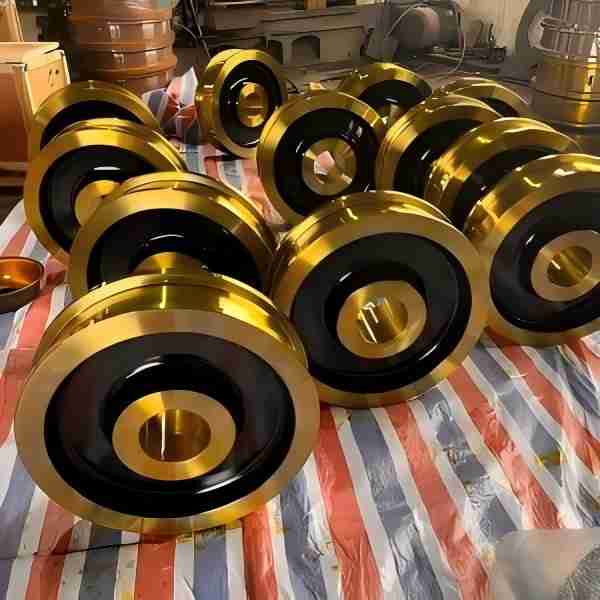
Wheel blocks
-
Couplings
-
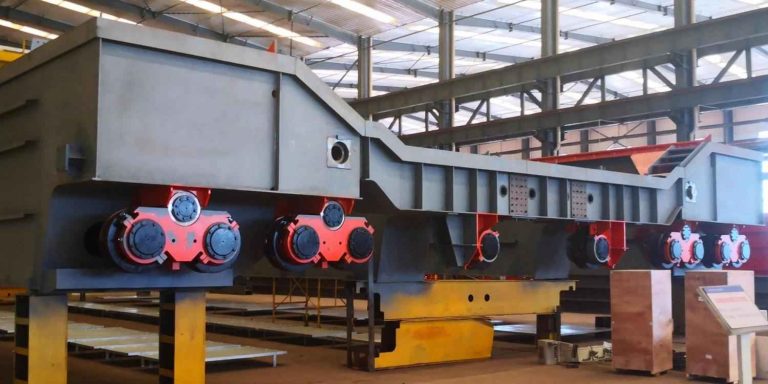
End beams
-
Shafts and pins
You can learn more about our product range on our website:
https://www.hnhlcrane.com
Why Material Traceability Is Critical in Crane Manufacturing
1. Safety Comes First
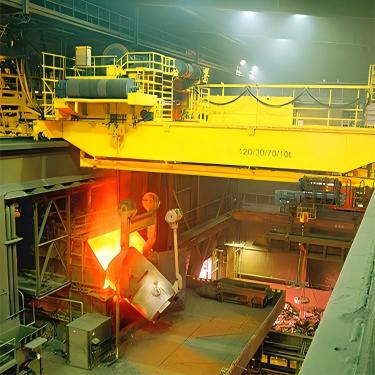
Cranes operate in high-risk environments: factories, ports, steel plants, construction sites, and power stations.
If a load-bearing part fails, the consequences can be severe.
Poor-quality or uncertified steel may contain:
-
Hidden cracks
-
Improper alloy composition
-
Low fatigue resistance
-
Inconsistent hardness
These defects may not appear during short-term use, but they can cause sudden failure after months or years.
With full material traceability, manufacturers can verify:
-
The steel grade is correct
-
The mechanical strength meets standards
-
The material is suitable for its working conditions
This is the foundation of safe crane operation.
2. Compliance with International Standards
Many international projects require crane components to comply with standards such as:
-
ISO
-
DIN
-
FEM
-
GB
-
EN
-
ASTM
For example, structural and mechanical parts often require material certificates such as:
-
EN 10204 3.1
-
Mill Test Certificates (MTC)
-
Heat treatment reports
Without traceability, it is almost impossible to provide valid compliance documents.
At HL CRANE, all major load-bearing components are supplied with complete material documentation to meet export and project requirements.
3. Better Quality Control Throughout Production
Material traceability supports quality control at every stage:
Raw Material Inspection
Before production starts, steel is checked against certificates and specifications.
Machining Process Control
Each batch is recorded during turning, milling, drilling, and heat treatment.
Assembly and Testing
Components are matched with their original material records.
If a quality issue appears, engineers can quickly identify:
-
Which batch was used
-
Which machines were involved
-
Which process caused the deviation
This allows fast corrective action and continuous improvement.
4. Easier Maintenance and After-Sales Service
For crane owners and maintenance teams, traceability brings long-term value.
When a part needs replacement or inspection after years of service, traceability helps to:
-
Identify the original material grade
-
Match new parts accurately
-
Maintain system compatibility
This is especially important for custom-made cranes and heavy-duty applications.
At HL CRANE, we keep long-term production records to support customers during the full lifecycle of their equipment.
How Material Traceability Works in Practice
Many buyers hear about “traceability” but are not sure how it actually works inside a factory. Let us explain a typical process.
Step 1: Raw Material Procurement
All steel is purchased from qualified suppliers.
Each batch comes with:
-
Mill certificate
-
Heat number
-
Chemical analysis
-
Mechanical test results
These documents are checked before acceptance.
Step 2: Identification and Marking
After receiving raw material, each piece is marked with:
-
Batch number
-
Heat number
-
Internal tracking code
This marking remains through cutting, forging, and machining.
Step 3: Production Recording
During manufacturing, records are kept for:
-
Forging temperature
-
Heat treatment parameters
-
Machining dimensions
-
Surface treatment
These records are linked to the original material batch.
Step 4: Inspection and Testing
Finished components undergo:
-
Dimensional inspection
-
Ultrasonic testing (UT)
-
Magnetic particle testing (MT)
-
Load testing (if required)
Results are stored in the traceability system.
Learn more about NDT testing here:
https://www.asnt.org
Step 5: Documentation and Delivery
Before shipment, customers receive:
-
Material certificates
-
Inspection reports
-
Quality records
-
Packing lists
This completes the traceability chain.
Common Risks When Traceability Is Ignored
Unfortunately, some low-cost suppliers still ignore proper material control.
This may lead to:
-
Mixed material batches
-
Fake certificates
-
Substandard steel
-
Inconsistent quality
-
Increased failure risk
In the short term, prices may look attractive. In the long term, the risks are much higher.
According to industry research from World Steel Association:
https://worldsteel.org
Material quality directly affects product safety and service life.
How HL CRANE Ensures Reliable Material Traceability
At HL CRANE, material traceability is not just a formality — it is part of our daily production management.
Our system includes:
✔ Qualified Steel Suppliers
We work only with certified steel mills.
✔ Digital Record Management
All material and inspection data are stored in internal systems.
✔ Dedicated Quality Team
Our QC engineers verify documents and processes.
✔ Full Export Documentation
We provide complete traceability reports for international customers.
You can explore our crane parts solutions here:
https://www.hnhlcrane.com/products/
Benefits for International Buyers
For overseas customers, traceability brings several practical advantages:
Reduced Project Risk
Verified materials mean fewer surprises during operation.
Easier Certification
Helps pass third-party inspection and project audits.
Better Resale Value
Equipment with documentation keeps higher market value.
Stronger Supplier Trust
Transparent production builds long-term cooperation.
For many of our clients in Europe, the Middle East, and Southeast Asia, traceability has become a key factor in supplier selection.
Future Trends: Digital Traceability and Smart Manufacturing
With Industry 4.0 development, material traceability is becoming more advanced.
Modern factories are introducing:
-
QR code tracking
-
RFID labels
-
Digital production platforms
-
Cloud-based quality systems
These technologies allow real-time tracking and faster information sharing.
HL CRANE is continuously upgrading its manufacturing management to meet future industry requirements.
Conclusion: Traceability Is Not a Cost — It Is an Investment
In crane parts manufacturing, material traceability is not an extra expense. It is an investment in:
-
Safety
-
Reliability
-
Reputation
-
Customer confidence
From steel sourcing to final delivery, every step matters.
At HL CRANE, we are committed to providing crane components with full traceability, stable quality, and professional service.
If you are looking for a reliable crane parts supplier with strict quality control, feel free to contact us:
About HL CRANE
HL CRANE is a professional manufacturer and exporter of crane components, including hooks, wire rope drums, wheel blocks, couplings, and end beams. With strict material control and advanced production facilities, we serve customers worldwide.
FAQ Section: Material Traceability in Crane Parts Manufacturing
FAQ 1: What is material traceability in crane parts manufacturing?
Material traceability in crane parts manufacturing refers to the ability to track raw materials from the steel mill to the finished component. It includes mill certificates, heat numbers, chemical composition reports, and inspection records. This system ensures that every critical crane part meets technical and safety standards.
FAQ 2: Why is material traceability important for crane safety?
Material traceability helps verify that the steel used in crane components has the correct strength, hardness, and fatigue resistance. Without proper traceability, hidden material defects may lead to premature failure, equipment damage, or safety accidents. Full traceability greatly reduces operational risks.
FAQ 3: Do all crane parts require material traceability?
Not all crane parts require the same level of traceability. However, load-bearing and safety-critical components such as crane hooks, wire rope drums, wheel blocks, shafts, and couplings should always have complete material records. These parts directly affect lifting safety and equipment stability.
FAQ 4: How can buyers verify material traceability from suppliers?
Buyers can request mill test certificates (MTC), EN 10204 3.1 reports, inspection documents, and heat treatment records from suppliers. A reliable manufacturer like HL CRANE can provide full documentation and explain how materials are tracked during production.
FAQ 5: How does material traceability benefit long-term crane maintenance?
With material traceability records, maintenance teams can easily identify the original material grade and specifications of components. This helps ensure accurate replacement, better compatibility, and longer service life. It also supports future inspections, upgrades, and equipment resale.