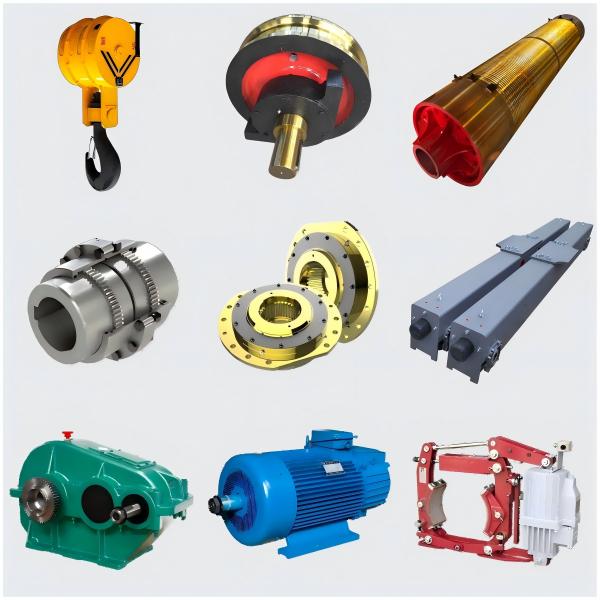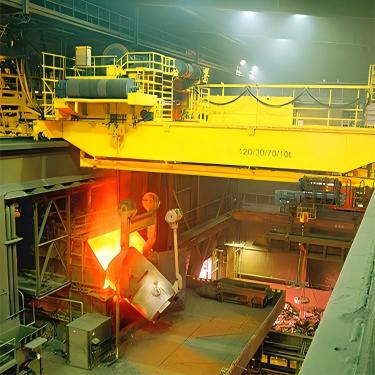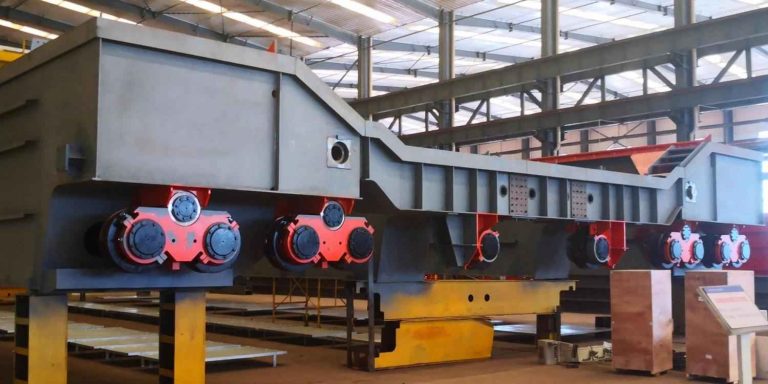

How Quality Inspection Ensures Safety in Crane Wheels and Hooks
In lifting and material handling operations, crane wheels and hooks are among the most critical load-bearing components. Any defect in these parts can lead to serious safety risks, equipment damage, and costly downtime. For industries such as steel manufacturing, construction, ports, and heavy engineering, ensuring the quality of these components is essential.
At HL CRANE, we implement strict quality inspection procedures to guarantee that every crane wheel and hook meets international safety standards. This article explains how professional inspection processes ensure reliability, durability, and long-term operational safety.
1. Raw Material Inspection
Quality control begins with raw materials. The mechanical strength and fatigue resistance of crane wheels and hooks largely depend on the steel grade used.
Before production, HL CRANE verifies:
- Chemical composition of steel
- Tensile strength and yield strength
- Impact resistance
- Material traceability certificates
Only qualified alloy and carbon steels are approved for manufacturing, ensuring a strong foundation for safe lifting components.
2. Dimensional and Machining Accuracy Checks
Precision machining is critical for crane wheels and hooks. Improper dimensions can cause uneven load distribution, excessive wear, and premature failure.
Inspection methods include:
- Coordinate measuring machines (CMM)
- Vernier calipers and micrometers
- Profile and surface roughness testing
- Fitment verification with rails and sheaves
Accurate machining ensures smooth crane movement and stable load handling.
3. Heat Treatment and Hardness Testing
Heat treatment improves the strength, toughness, and wear resistance of crane components. However, incorrect heat treatment may result in brittleness or insufficient hardness.
Quality inspection focuses on:
- Quenching and tempering records
- Hardness testing (HB, HRC, or HV)
- Depth of hardened layers
- Microstructure analysis
These tests confirm that wheels and hooks can withstand repeated heavy loads and impact stress.
4. Non-Destructive Testing (NDT)
Non-destructive testing plays a vital role in detecting hidden defects without damaging components. It helps identify internal cracks, porosity, and surface flaws.
Common NDT methods include:
- Magnetic Particle Testing (MT)
- Ultrasonic Testing (UT)
- Dye Penetrant Testing (PT)
- Radiographic Testing (RT)
HL CRANE applies appropriate NDT techniques according to customer requirements and international standards, ensuring defect-free products.
5. Load Testing and Performance Verification
Before delivery, crane wheels and hooks must undergo load and performance testing to verify their actual working capacity.
Typical tests include:
- Static load testing
- Dynamic load testing
- Fatigue testing
- Rotation and braking performance checks
These tests confirm that the components can safely operate under real working conditions.
6. Certification and Documentation Control
Complete documentation is an important part of quality assurance. It provides customers with full transparency and traceability.
HL CRANE supplies:
- Material certificates
- Heat treatment reports
- NDT inspection reports
- Load test certificates
- Factory inspection records
This documentation supports compliance with ISO, FEM, and other international standards.
Internal and External Resources
To explore our certified crane components, visit:
- Internal Link: https://www.hnhlcrane.com/products/
For more information about lifting equipment safety standards, refer to:
- External Link: https://www.iso.org/standard/76462.html
Conclusion
Quality inspection is the foundation of safety and reliability in crane wheels and hooks. From raw material verification and machining control to advanced non-destructive testing and load validation, every inspection step plays a crucial role in preventing failures.
With strict quality management systems and advanced testing facilities, HL CRANE ensures that every lifting component meets the highest safety standards. By choosing professionally inspected crane parts, operators can reduce risks, extend equipment life, and improve overall operational efficiency.
For reliable and certified crane wheels and hooks, visit www.hnhlcrane.com and contact HL CRANE today.
FAQ
Q1: Why is quality inspection important for crane wheels and hooks?
A: Quality inspection helps detect material defects, machining errors, and hidden cracks before delivery. It ensures that crane wheels and hooks can safely handle rated loads and reduces the risk of accidents and equipment failure.
Q2: What non-destructive testing methods are commonly used for crane components?
A: Common NDT methods include Magnetic Particle Testing (MT), Ultrasonic Testing (UT), Dye Penetrant Testing (PT), and Radiographic Testing (RT). These methods help identify internal and surface defects without damaging the parts.
Q3: How often should crane wheels and hooks be inspected during operation?
A: It is recommended to conduct visual inspections daily, detailed inspections monthly, and professional testing annually or according to local safety regulations. High-duty cranes may require more frequent checks.
Q4: What certificates should be provided with inspected crane wheels and hooks?
A: Qualified products should be supplied with material certificates, heat treatment reports, NDT reports, load test certificates, and factory inspection records to ensure full traceability and compliance.
Q5: How does proper inspection improve the service life of crane components?
A: Proper inspection ensures correct material selection, accurate machining, and suitable heat treatment. This reduces abnormal wear, prevents early failures, and significantly extends the working life of wheels and hooks.